Average Kitchen Cupboards Prices by Category in 2026
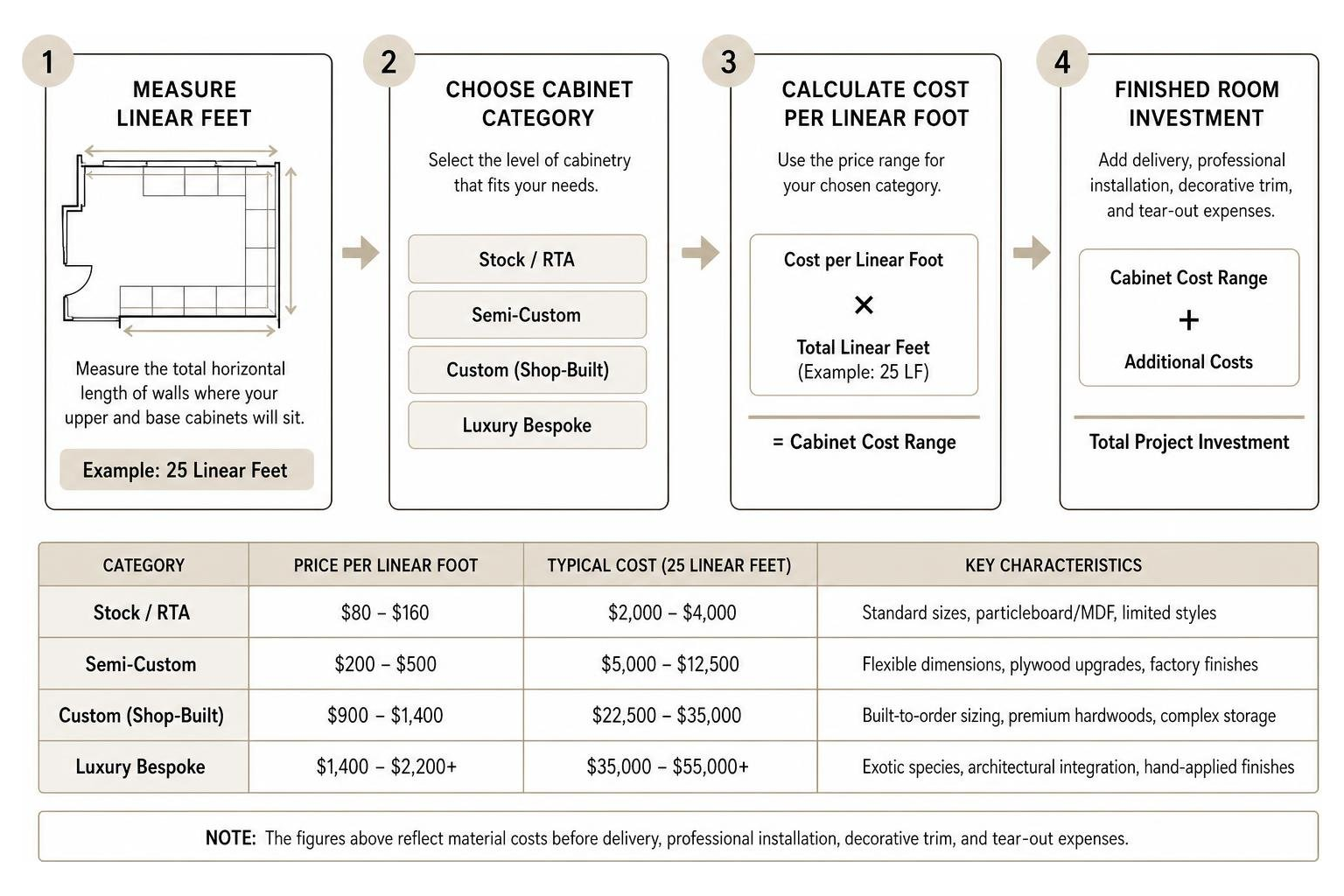
Planning a kitchen upgrade requires understanding how manufacturers and installers calculate costs. In the cabinetry world, pricing is typically calculated per linear foot—the total horizontal measurement along the walls where your upper and base units sit.
For a standard kitchen layout running roughly 25 linear feet, the range of kitchen cupboards prices spans basic entry-level options to fully tailored woodwork. Midrange projects balance durability and cost through semi-custom lines, while custom builds cater to unique architectural footprints.
| Category | Price per Linear Foot | Typical Cost (25 Linear Feet) | Key Characteristics |
|---|---|---|---|
| Stock / RTA | $80 – $160 | $2,000 – $4,000 | Standard sizes, particleboard/MDF, limited styles |
| Semi-Custom | $200 – $500 | $5,000 – $12,500 | Flexible dimensions, plywood upgrades, factory finishes |
| Custom (Shop-Built) | $900 – $1,400 | $22,500 – $35,000 | Built-to-order sizing, premium hardwoods, complex storage |
| Luxury Bespoke | $1,400 – $2,200+ | $35,000 – $55,000+ | Exotic species, architectural integration, hand-applied finishes |
Note: The figures above reflect material costs before delivery, professional installation, decorative trim, and tear-out expenses.
Stock and Ready-to-Assemble Kitchen Cupboards Prices
Stock and ready-to-assemble (RTA) units represent the most accessible price point for kitchen renovations. These cupboards are mass-produced in standardized three-inch width increments (such as 12, 15, 18, and 24 inches) with predetermined depths and heights.
If you are exploring inexpensive kitchen cabinet choices, flat-pack systems and pre-assembled builder units keep upfront material expenses low. For a standard 10×10 to 10×12 kitchen layout, complete stock packages generally start around $2,500 to $6,000.
However, stock units feature construction trade-offs:
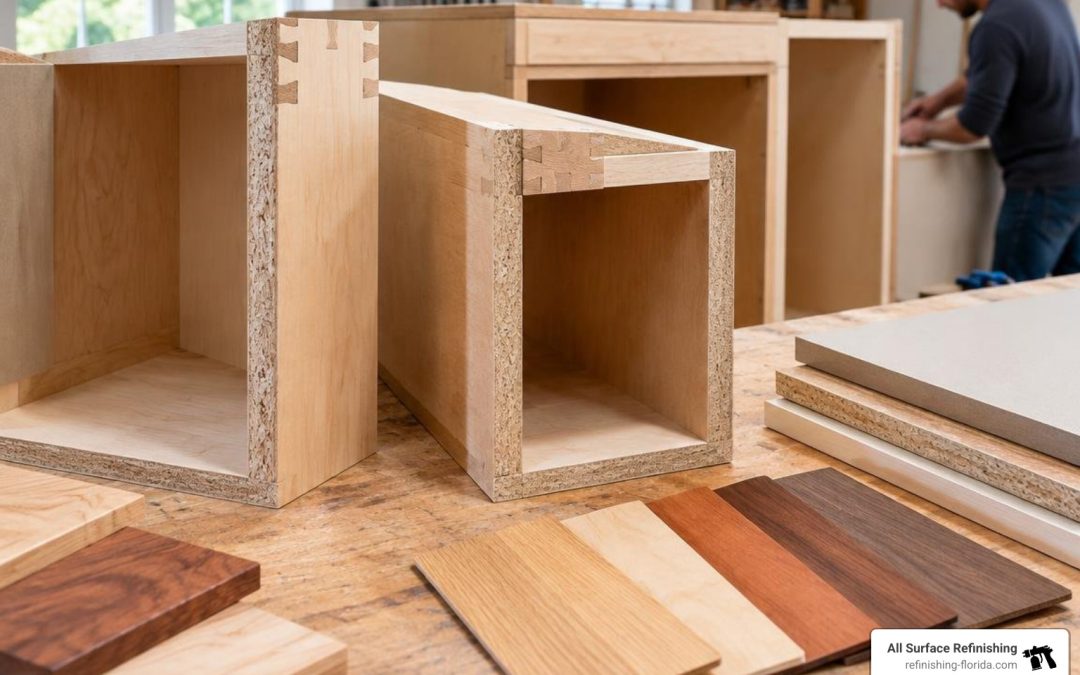
- Box Core: Typically constructed from standard particleboard or medium-density fiberboard (MDF) wrapped in thin vinyl or melamine veneers.
- Hardware Limitations: Basic friction slides or entry-level soft-close mechanisms.
- Layout Constraints: Filler strips are required to make fixed cabinet sizes fit irregular wall spans, which can sacrifice potential interior storage space.
Semi-Custom and Custom Kitchen Cupboards Prices
Semi-custom cabinetry sits in the sweet spot for the majority of residential remodels. These cupboards allow you to modify standard dimensions, choose from an extensive catalog of door profiles, upgrade box construction, and select specialized factory stains or painted finishes.
When understanding new kitchen cabinet costs, semi-custom options typically run between $6,000 and $12,000 for materials in an average-sized kitchen, with full installations commonly reaching $16,000 to $22,000.
Fully custom cabinetry, by contrast, is built to exact quarter-inch specifications by dedicated millwork shops or high-end manufacturers. This approach accommodates non-standard ceiling heights, curved walls, integrated appliance panels, and specialized internal organization systems. High-end custom work easily exceeds $35,000 to $50,000+ for larger layouts, primarily driven by dedicated bench carpentry, hand-rubbed finishes, and architectural millwork integration.
Key Factors That Drive Cupboard Material and Construction Costs
The structural integrity and lifespan of your kitchen cupboards depend heavily on box construction and material selection. While two cabinet faces might look nearly identical from the outside, their internal substrates dictate long-term performance in humid environments.
- Plywood Boxes: Plywood consists of cross-laminated wood veneers glued under pressure, providing high tensile strength and superior resistance to moisture swelling. Upgrading from standard engineered board to furniture-grade plywood adds roughly $40 to $80 per linear foot ($1,000 to $2,000 across a 25-foot kitchen run). As detailed in the Cost of Kitchen Cabinets (2026 Guide) | Fin Home Blog, prioritizing plywood boxes in vulnerable areas like sink bases and dishwasher surrounds prevents premature structural failure from incidental plumbing leaks.
- Particleboard and Engineered Substrates: Standard particleboard is composed of compressed wood chips and resin. While budget-friendly, it is more susceptible to sagging under heavy stone countertops or swelling if exposed to prolonged moisture.
- MDF (Medium-Density Fiberboard): MDF offers an ultra-smooth, uniform surface that will not expand and contract like natural timber, making it an excellent core material for painted center door panels.
Wood species selection also establishes a base pricing index. Taking hard maple as a standard benchmark (Index 100):
- Red Oak / Poplar: 85 – 95 (Budget-friendly, open or fine grain)
- Hard Maple / Cherry: 100 – 115 (Stable, uniform grain structure)
- Rift-Sawn White Oak: 130 – 160 (Linear, contemporary grain)
- Black Walnut: 160 – 220 (Rich natural tone, premium pricing)
Door Styles, Hardware, and Premium Finishes
Beyond the internal core, visible elements and mechanics directly influence your quote. When comparing cabinet pricing and styles, door engineering and finish methods create noticeable price deltas:
- Door Construction: Modern flat-slab doors and standard five-piece Shaker doors remain cost-effective to produce. Mitered frames, raised center panels, and applied decorative molding require additional millwork steps that increase labor costs.
- Factory Paint vs. Wood Stain: High-quality painted cabinetry often costs 10% to 15% more than stained maple. Achieving a smooth, resilient painted surface requires multi-stage sanding, primer coats, conversion varnishes, and climate-controlled curing to prevent future chipping.
- Interior Mechanics: Full-extension, under-mount drawer glides with integrated soft-close dampening and six-way adjustable concealed hinges add $30 to $75 per opening compared to basic hardware. Specialized roll-out trays, deep drawer peg organizers, and blind-corner pull-outs can add hundreds of dollars per cabinet box.
Delivery, Hidden Expenses, and Regional Project Costs
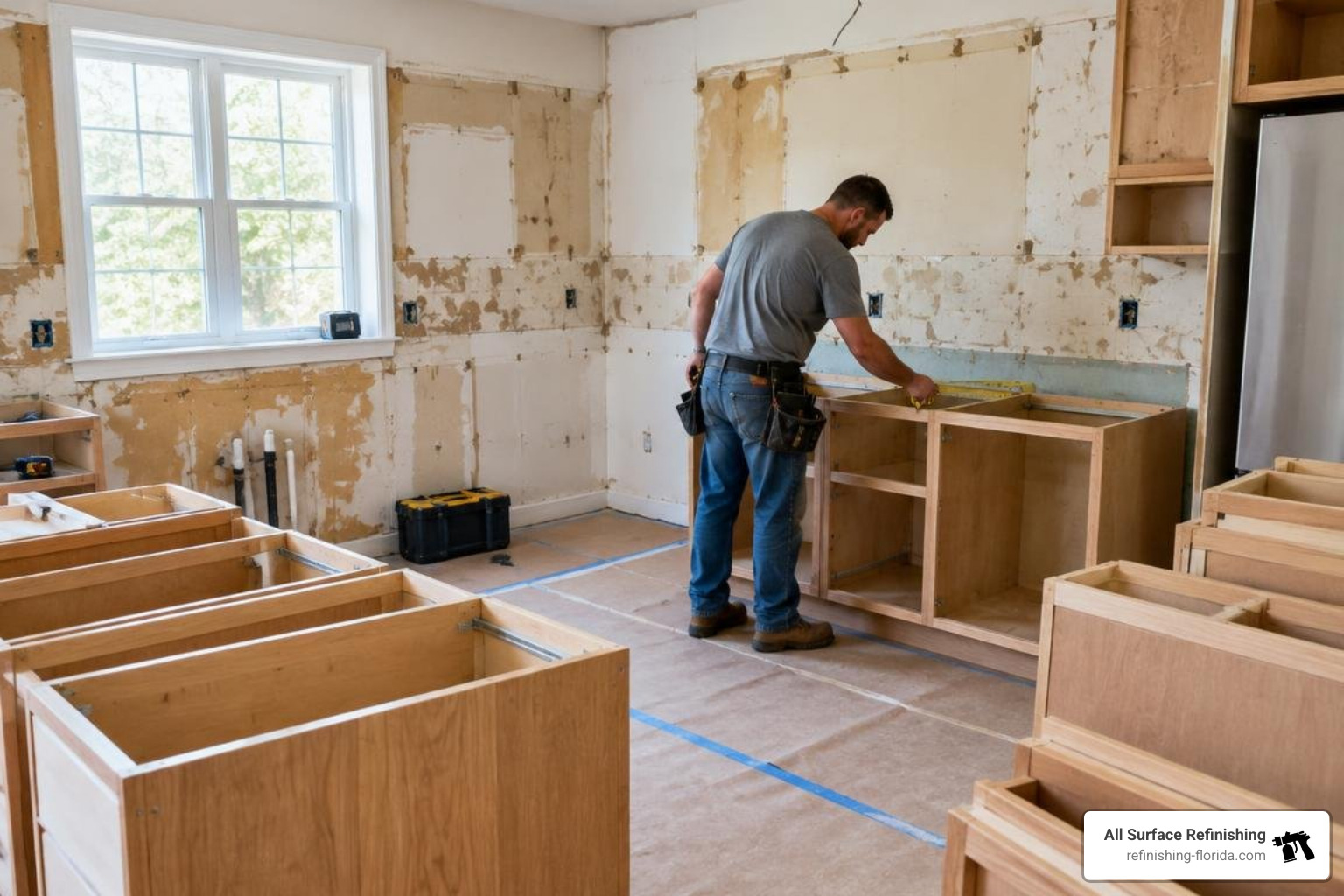
Budgeting for kitchen cupboards requires looking beyond the base box price. More than 60 percent of renovation projects exceed initial estimates because ancillary installation expenses are left out of early calculations.
Common auxiliary costs to anticipate include:
- Tear-Out and Disposal: Removing existing cabinetry, hauling debris, and recycling hardware costs $500 to $1,800.
- Trim, Fillers, and Moldings: Scribe moldings, baseboards, filler strips, and multi-piece crown moldings bridge the gap between square cabinets and uneven architectural surfaces. Decorative trim packages add $800 to $2,500.
- Substrate Leveling and Wall Prep: Out-of-plumb walls and uneven subfloors require shimming and leveling labor ($300 to $900) to ensure stone countertops sit flat without cracking.
- Freight and Handling: Delivery fees for bulky, heavy cabinet shipments range from $250 to $800 depending on site access and offloading requirements.
Regional Project Costs Across South Florida Markets
Labor rates and logistics fluctuate across South Florida. Municipal permitting, high-rise delivery logistics, and regional contractor demand create pricing differences between coastal hubs and inland neighborhoods:
- Miami, Miami Beach, and Fisher Island: Urban logistics, elevator freight constraints, and higher skilled trade rates can increase overall installation labor by 15% to 25% compared to national averages.
- Fort Lauderdale, Hollywood, and Deerfield Beach: Mid-to-high installation pricing, with project costs influenced by coastal climate considerations and condominium remodeling guidelines.
- Boca Raton, Delray Beach, and West Palm Beach: Premium finish specifications and custom storage configurations commonly push average project scopes into upper-tier semi-custom brackets.
For a broader perspective on how geographic factors shift material and trade expenses, consult the Kitchen Cabinet Price Guide: Cost, Price Ranges, and What Drives the Total 2026 – LatestCost.
Cost-Effective Alternatives: Refinishing vs. Full Replacement
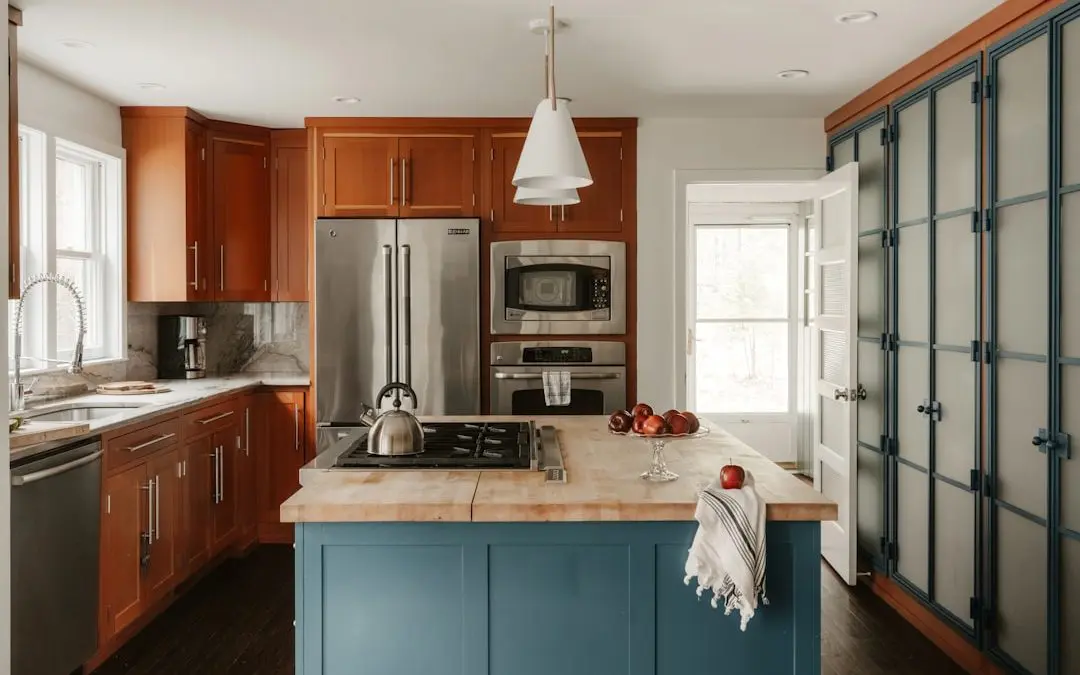
When existing cabinet boxes are structurally sound and your kitchen layout functions well, tear-out and full replacement may not be the most practical use of your budget. Demolition disrupts daily living for weeks and often necessitates replacing countertops, backsplashes, and plumbing lines.
Professional refinishing offers a high-impact alternative that revitalizes your kitchen at a fraction of the cost:
- Budget Optimization: Complete cupboard replacement typically ranges from $14,000 to $30,000+ once materials, delivery, and trade labor are tallied. Professional resurfacing and refinishing typically costs 60% to 75% less.
- Preserving Existing Infrastructure: Retaining your current footprint protects your existing countertop investment and avoids costly dry-wall repairs or utility relocations.
- Durable, Factory-Grade Coatings: Unlike standard DIY brush-applied paint, professional refinishing utilizes industrial-grade bonding primers and conversion coatings applied under controlled conditions, producing a durable, smooth surface that resists moisture, heat, and daily kitchen wear.
To evaluate your options, review our kitchen cabinet refinishing cost breakdown and explore realistic kitchen cabinet painting costs to see how surface renewal compares to a full tear-out.
Frequently Asked Questions About Kitchen Cupboard Costs
What percentage of a kitchen remodel budget goes toward cupboards?
Cabinetry typically represents 25% to 35% of a total kitchen remodeling budget, rising above 40% in high-end projects. Because cupboards anchor the room’s aesthetic and support heavy countertops, allocating adequate funds for structural quality is critical. Maintaining a 10% to 15% contingency reserve helps cover unforeseen site repairs or plumbing adjustments.
How do delivery and site conditions affect total cupboard expenses?
Cabinet delivery and site conditions introduce variables that influence total costs. Freight delivery fees typically range from $250 to $800. Additionally, out-of-square walls, uneven floors, or unique architectural layouts require custom filler strips, extensive shimming, and specialized scribe molding. These adjustments demand extra carpentry hours, adding $300 to $1,000+ to installation labor.
Where can homeowners find affordable cupboards?
Homeowners working with strict budgets can explore flat-pack systems from big-box retailers, direct-from-manufacturer online suppliers, or architectural surplus centers like Habitat for Humanity ReStore. For local strategies on sourcing budget-friendly options, consult our guide to finding affordable cabinets locally.
Conclusion
Understanding kitchen cupboards prices allows you to navigate material options, door styles, and installation costs with confidence. Whether you opt for stock flat-pack units, durable semi-custom cabinetry, or a custom build, planning for trim, delivery, and labor ensures your remodel stays on budget.
If your existing cabinet frames are in good structural condition, you don’t need a full tear-out to achieve a clean, modern aesthetic. At All Surface Refinishing, we bring over 30 years of hands-on experience and more than 14,000 completed surface transformations to kitchens throughout South and Southwest Florida.
We proudly serve property owners across Miami-Dade, Broward, Palm Beach, Martin, and Saint Lucie counties—including communities like Miami, Fort Lauderdale, Boca Raton, West Palm Beach, Boynton Beach, Coral Gables, Hollywood, Jupiter, and Port Saint Lucie. Contact our team today to explore our professional cabinet refinishing services and transform your kitchen cupboards efficiently and affordably.
