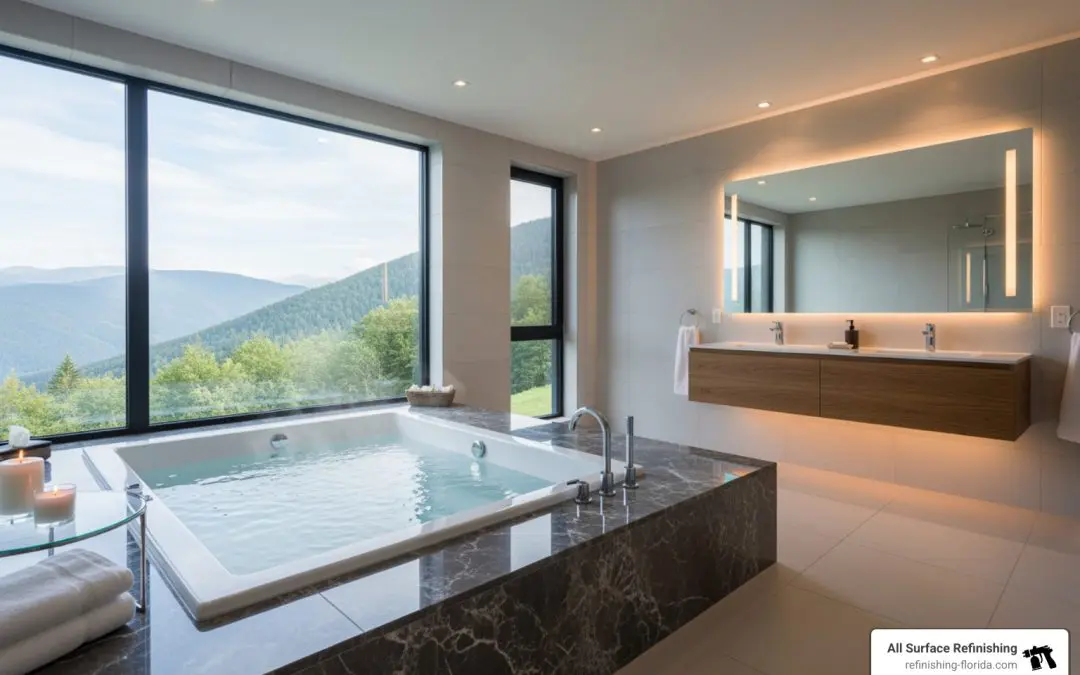
Your Guide to Indoor Jacuzzi Repair
Indoor jacuzzi repair near me is a common search for homeowners facing issues with their relaxation investment. Whether you’re dealing with a leak, a heater that won’t warm up, or jets that have stopped working, finding the right repair service quickly is essential.
Quick Answer: Finding Indoor Jacuzzi Repair Near Me
- Common issues requiring professional repair: Heater failure, pump malfunction, persistent leaks, electrical problems, and cracked shells
- Average repair cost: $170 to $550, depending on the specific issue and parts needed
- When to repair vs. replace: Repair is usually best for component failures and surface damage; consider replacement for major structural issues or multiple system failures
- Find a qualified technician: Verify licensing and insurance, read reviews, get multiple quotes, and confirm they service your jacuzzi brand
- Have this info ready: Make/model, serial number, problem description, error codes, and purchase date
Your indoor jacuzzi provides health benefits like stress relief, improved sleep, and pain reduction. But when something goes wrong, the issues can range from minor annoyances like cloudy water to serious problems like electrical failures or major leaks.
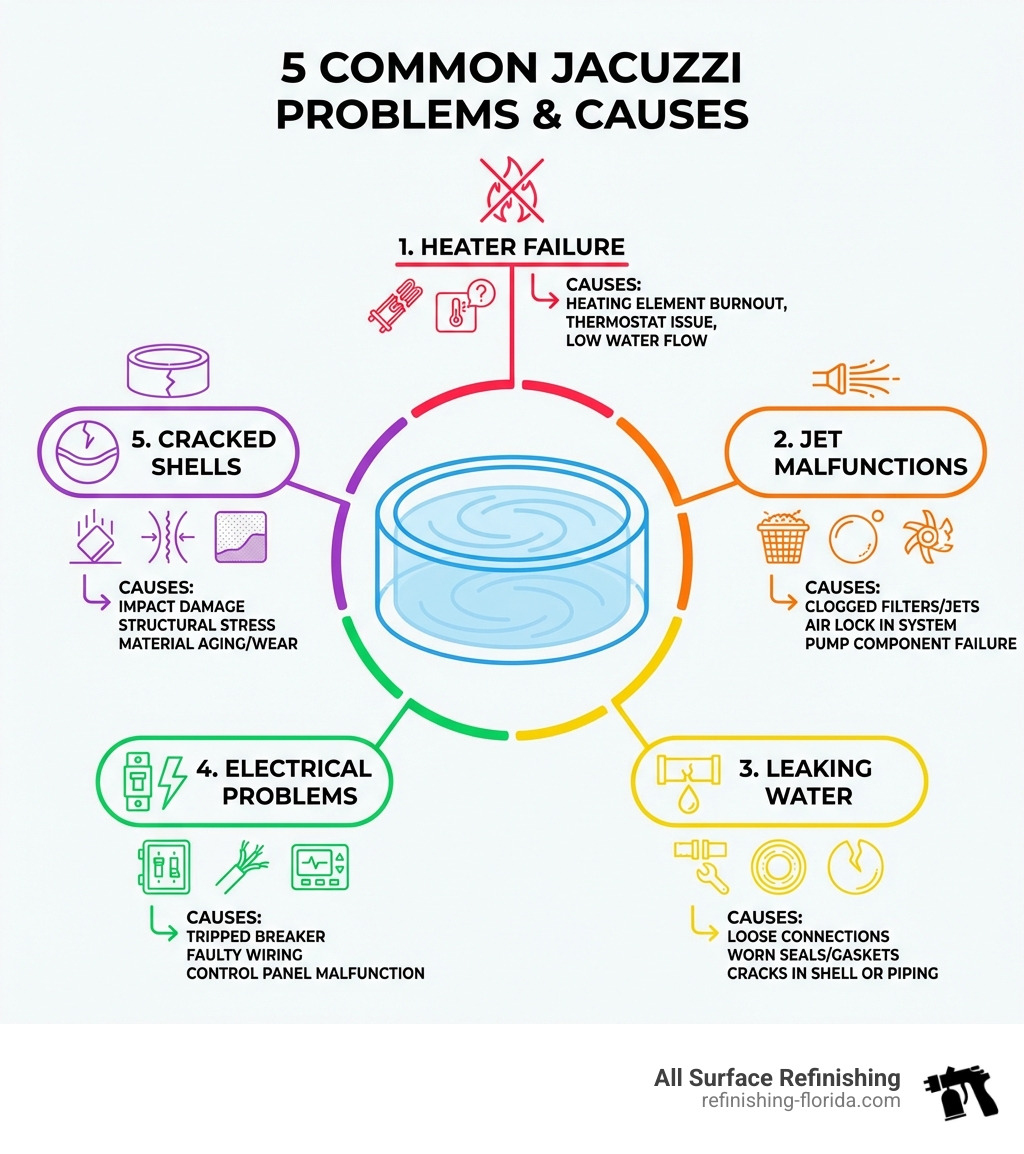
Most jacuzzi problems fall into a few common categories. Heater failure means no warm water. Jet malfunctions reduce the therapeutic massage effect. Leaking water can damage your floors and the unit itself. Error codes on the control panel signal that a system component needs attention.
The good news? Many issues are repairable at a fraction of the cost of buying a new unit. According to industry data, repairs typically cost between $170 and $550. Professional technicians have a success rate of over 90% for completing repairs on the first visit. Parts usually come with a 1-year warranty, giving you peace of mind.
Some basic maintenance you can handle yourself includes testing water chemistry, cleaning filters, and resetting tripped breakers. But for electrical issues, pump failures, or structural damage, you’ll want a professional. Attempting DIY electrical repairs on a hot tub is dangerous due to electrocution hazards.
Regular maintenance is your best defense against costly repairs. Industry experts recommend having your jacuzzi inspected and serviced yearly. This proactive approach helps catch small issues before they become expensive problems and keeps you safe from hazards like faulty wiring.
Common Jacuzzi Problems and When to Call a Professional
When your indoor jacuzzi isn’t performing as it should, it can quickly turn relaxation into frustration. Understanding the most common problems can help you determine if you need professional indoor jacuzzi repair near me or if it’s something you can tackle yourself.
Here are the most frequent issues we see that require professional attention:
- Heater Failure: One of the most common complaints is cold water. If your jacuzzi’s water isn’t heating up, or heats erratically, it’s often due to a faulty heating element or thermostat. This can be caused by worn components or improper water chemistry.
- Jet Malfunction: Are your jets sputtering, weak, or not working at all? This could be due to airlocks, clogged nozzles, or a problem with the pump or diverter valves. A professional can diagnose and clear these issues, restoring your therapeutic massage.
- Leaking Water: A leak can be a small drip or a significant loss of water, and it’s one of the most concerning problems. Leaks can occur from plumbing connections, seals, the pump, or even cracks in the shell. While some minor leaks might be visible and accessible, many require an expert to locate and repair without causing further damage to your home.
- Error Codes: Modern jacuzzis often display error codes on their control panels. These codes are like a secret language, signaling specific system malfunctions, from sensor issues to flow problems. Interpreting and addressing these codes correctly usually requires specialized knowledge.
- Cloudy Water: While sometimes a DIY fix (see below), persistent cloudy water despite proper chemical balancing and filtration can indicate a deeper issue with your filtration system or water circulation that a professional can resolve.
- Strange Noises: Grinding, humming, or squealing sounds often point to problems with the pump motor, bearings, or impellers. Ignoring these noises can lead to more extensive and costly damage to your unit.
- Tripped GFCI Breakers: If your Ground Fault Circuit Interrupter (GFCI) breaker trips frequently, it’s a serious sign of an electrical fault. This is not a problem to ignore or attempt to fix yourself, as it indicates a potential electrocution hazard.
Signs You Need Professional Repair
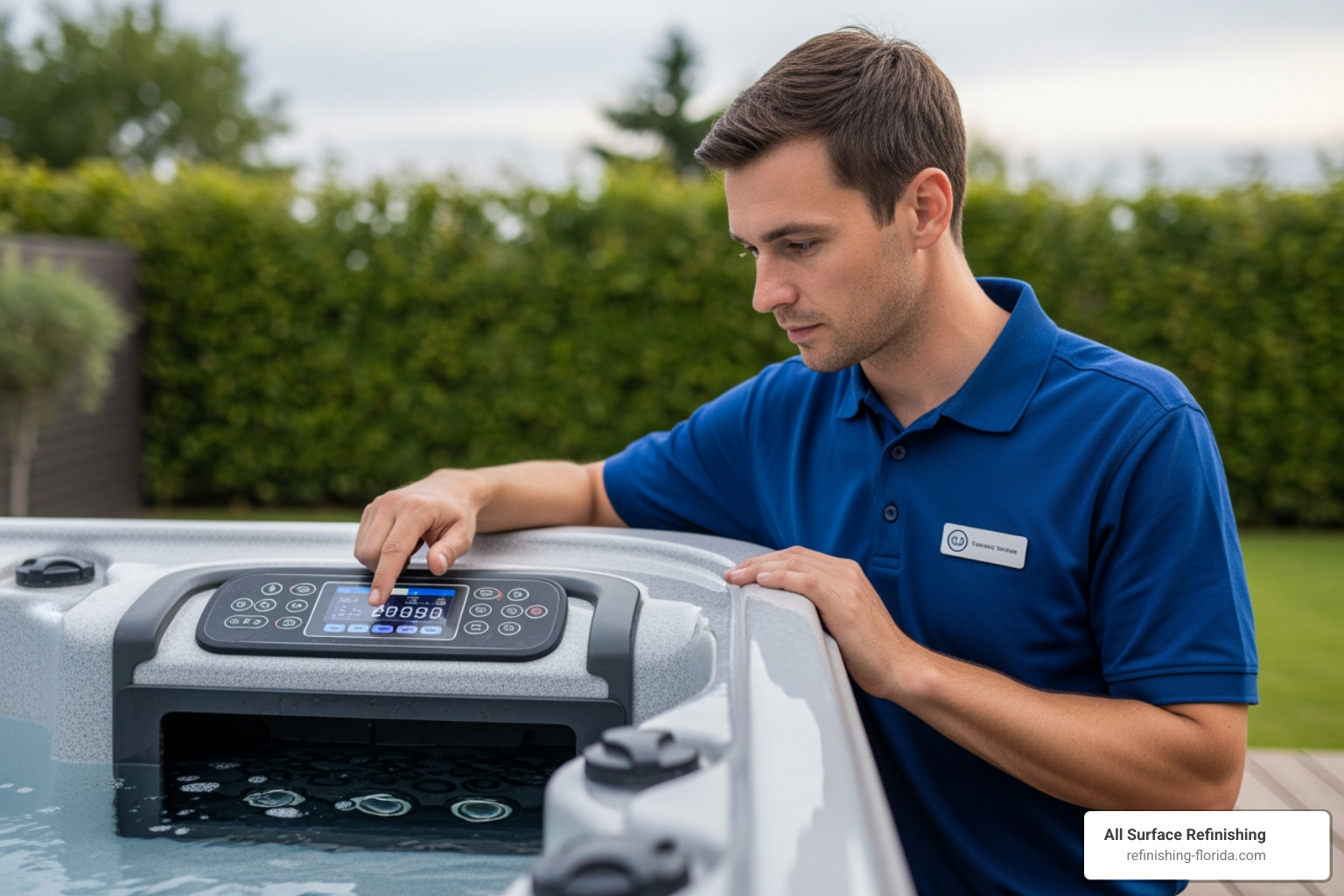
While some minor issues can be troubleshot, certain signs unequivocally point to the need for professional indoor jacuzzi repair near me:
- Visible cracks in the shell: If you notice any cracks, especially large ones or those that extend through the material, it’s crucial to call a professional immediately. These can lead to significant leaks and structural damage. A specialist can often restore the integrity and appearance of your tub.
- Persistent leaks from the bottom: If you’re continually losing water and can’t identify the source, or if the leak is coming from underneath the unit, it indicates a complex plumbing or shell issue. Professional help is vital for these complex issues.
- Electrical issues: Beyond a simple tripped GFCI that resets, any flickering lights, burning smells, or non-functional control panels signal a need for an experienced electrician or jacuzzi technician. Electrical work on a wet appliance like a jacuzzi is inherently dangerous and should never be attempted by an untrained individual.
- Pump or motor failure: If your pump isn’t circulating water, or the motor is completely dead, this is a job for a professional. These components are intricate and require specific tools and expertise for repair or replacement.
Can I Troubleshoot Some Issues Myself?
Absolutely! Before calling for indoor jacuzzi repair near me, there are several basic maintenance and troubleshooting steps you can perform. These can often resolve minor issues and save you a service call fee.
- Basic water chemistry testing: Regularly test your water’s pH, alkalinity, and sanitizer levels. Imbalances can lead to cloudy water, skin irritation, and even damage to your jacuzzi components. Adjustment kits are readily available.
- Filter cleaning and replacement: Dirty filters are a common culprit for poor water quality, weak jets, and even heater issues. Clean your filters regularly (e.g., monthly soak, weekly rinse) and replace them annually or as recommended by your manufacturer. This is a simple yet effective way to maintain water clarity and system efficiency.
- Inspecting for simple clogs: Sometimes, a weak jet is just a clogged jet. Turn off the power, remove the jet, and check for debris. A small brush or even a toothpick can sometimes clear minor blockages.
- Resetting the GFCI: If your GFCI breaker trips, try resetting it. If it trips again immediately, or frequently, then it’s time to call a professional. But a one-off trip could be due to a power surge or a temporary overload.
If you’re ever unsure or uncomfortable, it’s always best to err on the side of caution and contact a professional. Your safety and the longevity of your indoor jacuzzi are paramount.
The Cost of Repair vs. Replacement
One of the biggest questions homeowners face when their indoor jacuzzi acts up is whether to repair it or replace it. This decision often boils down to the average cost of jacuzzi repair versus the investment in a new unit, taking into account the age and condition of your existing tub.
The cost to repair a hot tub or spa (which includes jacuzzis) typically ranges from about $170 to $550, depending on the specific repairs needed. For instance, a minor leak repair might be on the lower end, while a pump or heater replacement could be higher. This average is significantly less than the cost of a new jacuzzi, which can run into thousands of dollars.
Factors affecting repair cost include:
- Type of repair: Leaks, electrical issues, pump, heater, or jet problems all have different labor and parts costs.
- Parts needed: Genuine manufacturer parts might cost more but often come with better warranties.
- Labor rates: These can vary by region and technician experience.
- Accessibility: If the technician has difficulty accessing the faulty component, labor costs might increase.
When is Repair the Smart Choice?
Repairing your indoor jacuzzi is often the most cost-effective and environmentally friendly option, especially for common issues.
- Component failure (heater, pump, jets): These are frequently replaced parts, and swapping out a single faulty component is almost always cheaper than buying a whole new unit. With parts often carrying a 1-year warranty, you get renewed functionality without a massive investment.
- Minor leaks: Small leaks, if caught early, can often be sealed with specialized products or by replacing specific gaskets or plumbing fittings.
When Should You Consider a Replacement?
While repair is often the best choice, there are instances where replacing your indoor jacuzzi makes more financial sense or is simply necessary.
- Major structural cracks: If your jacuzzi has extensive, irreparable structural damage to the shell, especially if it compromises the integrity of the tub, replacement might be the only safe option.
- Obsolete parts: For very old jacuzzis, finding replacement parts for critical components like control boards or specialized pumps can become impossible or prohibitively expensive.
- Multiple system failures: If your jacuzzi is experiencing a cascade of problems – the heater is out, the pump is failing, and there are multiple leaks – the combined cost of repairs might approach or exceed the cost of a new, more efficient model.
- Outdated, energy-inefficient models: Older jacuzzis can be energy hogs. If your unit is constantly driving up your electricity bill, a new, energy-efficient model could offer long-term savings that justify the initial investment.
Here’s a simplified comparison to help you weigh your options:
| Repair Type / New Jacuzzi | Estimated Cost | Notes |
|---|---|---|
| Minor Leak Repair | $170 – $300 | Often a quick fix, high success rate. |
| Heater Replacement | $300 – $600 | Common repair, usually restores full functionality. |
| Pump Motor Replacement | $400 – $800 | Essential for water circulation and jet function. |
| New Indoor Jacuzzi | $3,000 – $15,000+ | Significant investment, but offers new features, warranty, and energy efficiency. (Does not include installation) |
Finding Quality Indoor Jacuzzi Repair Near Me in South and Southwest Florida
When you’re searching for indoor jacuzzi repair near me in Florida’s vibrant communities like Aventura, Boca Raton, Fort Lauderdale, Miami, or West Palm Beach, it’s crucial to find a qualified and reputable professional. You want someone who understands the unique demands of Florida’s climate and who has experience with a wide range of jacuzzi models.

Here’s how we recommend finding the best service:
- Checking qualifications: Look for technicians who are factory-certified for major jacuzzi brands or who have extensive experience. This ensures they have the specific knowledge to handle complex systems.
- Verifying insurance: Always ensure the repair company is fully licensed and insured. This protects you from liability in case of accidents or damage during the repair process.
- Reading verified reviews: Online reviews on platforms like Angi (formerly Angie’s List) can offer insights into a company’s reliability, customer service, and repair quality. Look for consistent positive feedback, especially regarding their problem-solving skills and professionalism.
- Getting multiple quotes: Don’t settle for the first estimate. Contact a few reputable companies to compare pricing, service offerings, and warranties. This helps you make an informed decision.
What to Know Before Searching for Indoor Jacuzzi Repair Near Me
To ensure a smooth and efficient service call, having specific information ready when you contact a repair professional is incredibly helpful. This allows them to better understand your issue, provide a more accurate estimate, and potentially even bring the right parts on their first visit.
Here’s what you should have ready:
- Jacuzzi make and model: This is usually found on a data plate on the side of the tub, under the skirt, or near the equipment pack.
- Serial number: Also located on the data plate, the serial number helps technicians identify the exact specifications and age of your unit.
- Detailed description of the problem: Be as specific as possible. Instead of “it’s broken,” say “the water isn’t heating above 80 degrees,” or “the jets on the right side are not working.”
- Date of purchase: This helps determine if your jacuzzi is still under warranty.
- Any error codes displayed: If your control panel is showing an error code, note it down exactly. This is often the quickest way for a technician to pinpoint the issue.
Having this information at hand allows technicians to provide you with the most accurate and efficient indoor jacuzzi repair near me service possible.
What to Expect from an Indoor Jacuzzi Repair Near Me Service Call
When you schedule a professional service call for your indoor jacuzzi, knowing what to expect can ease your mind and help you prepare.
- Initial diagnosis: The technician will perform a thorough inspection and diagnostic tests to accurately identify the root cause of the problem. This might involve checking electrical connections, plumbing, pumps, heaters, and control systems.
- Clear explanation of the issue: A reputable technician will explain the problem in understandable terms, avoiding overly technical jargon. They should clearly outline what needs to be done to fix your jacuzzi.
- Written estimate for parts and labor: Before any work begins, you should receive a detailed written estimate. This estimate should break down the cost of parts, labor, and any service fees. The average cost to repair a hot tub or spa ranges from about $170 to $550, depending on the repairs needed, and this estimate should reflect that.
- Typical service turnaround time: While many companies boast a high success rate for completing repairs on the first visit (some over 90%), complex issues might require ordering specific parts. The technician should give you an estimated timeframe for completion.
- Warranty on parts and labor: Most professional repair services offer a warranty on the parts they install and the labor they perform. For example, many parts come with a 1-year worry-free warranty. This provides peace of mind that if the same issue recurs within a specified period, it will be addressed.
Proactive Maintenance to Prolong Your Jacuzzi’s Life
One of the best ways to avoid the headache and expense of indoor jacuzzi repair near me is to practice proactive maintenance. Regular care can significantly extend the life of your jacuzzi, keep it running efficiently, and ensure your relaxation time is never interrupted by unexpected breakdowns.
Industry experts highly recommend having your spa or hot tub inspected and serviced yearly to prevent more costly repairs. This annual check-up allows professionals to:
- Inspect all mechanical components, including the pump, heater, and jets, for wear and tear.
- Check electrical connections and wiring for safety and efficiency.
- Assess the plumbing for potential leaks or blockages.
- Evaluate water chemistry and filtration system performance.
- Identify small issues before they escalate into major problems.
Beyond professional servicing, consistent DIY maintenance is crucial.
DIY Maintenance for a Healthy Jacuzzi
You don’t need to be a technician to keep your jacuzzi in top shape. Here are some simple, regular tasks you can do:
- Weekly water balance checks: As mentioned earlier, regularly test and adjust your water’s pH, alkalinity, and sanitizer levels. Balanced water prevents corrosion of components, prolongs the life of your equipment, and ensures a clean, safe soaking environment.
- Monthly filter soaks: While rinsing your filters weekly is good, a monthly soak in a specialized filter cleaner will remove stubborn oils and debris, dramatically improving filtration efficiency.
- Draining and refilling schedule: Depending on usage, you should drain and refill your jacuzzi every 3-4 months. This removes accumulated dissolved solids that even chemicals can’t eliminate, ensuring your water stays fresh.
- Protecting the surface from scratches: Be mindful of jewelry, sharp objects, or abrasive cleaners that can scratch your jacuzzi’s acrylic or fiberglass surface. Use only non-abrasive cleaners and soft cloths.
Frequently Asked Questions about Indoor Jacuzzi Repair
How often should a jacuzzi be professionally serviced?
We recommend a yearly professional inspection and service for your indoor jacuzzi. This annual check-up by a qualified technician is crucial for several reasons: it helps identify and address minor issues before they become costly repairs, ensures all mechanical and electrical components are functioning safely and efficiently, and prolongs the overall lifespan of your unit. This is especially important for the complex electrical systems and plumbing that keep your jacuzzi running.
How much water loss is normal in a hot tub?
It’s normal for a hot tub or jacuzzi to lose some water due to evaporation, especially in warmer climates like Florida. Losing up to an inch of water per week can be considered normal. However, if you notice significantly more water loss, or a sudden and drastic drop in water level, it likely indicates a leak that requires professional indoor jacuzzi repair near me. Don’t ignore rapid water loss, as it can lead to damage to your pump or heater if they run dry.
Is it worth repairing an older jacuzzi?
Often, yes! If the shell of your older jacuzzi is in good condition, repairing components like the heater, pump, or jets is typically far more affordable than investing in a full replacement. For example, the cost to repair a hot tub or spa ranges from about $170 to $550, which is a fraction of the cost of a new unit.
Conclusion
Navigating jacuzzi ownership means understanding common issues, knowing when to seek professional help for indoor jacuzzi repair near me, and performing regular maintenance. By following the advice in this guide, you can keep your jacuzzi in excellent condition, ensuring it remains a source of relaxation and enjoyment for years to come.
