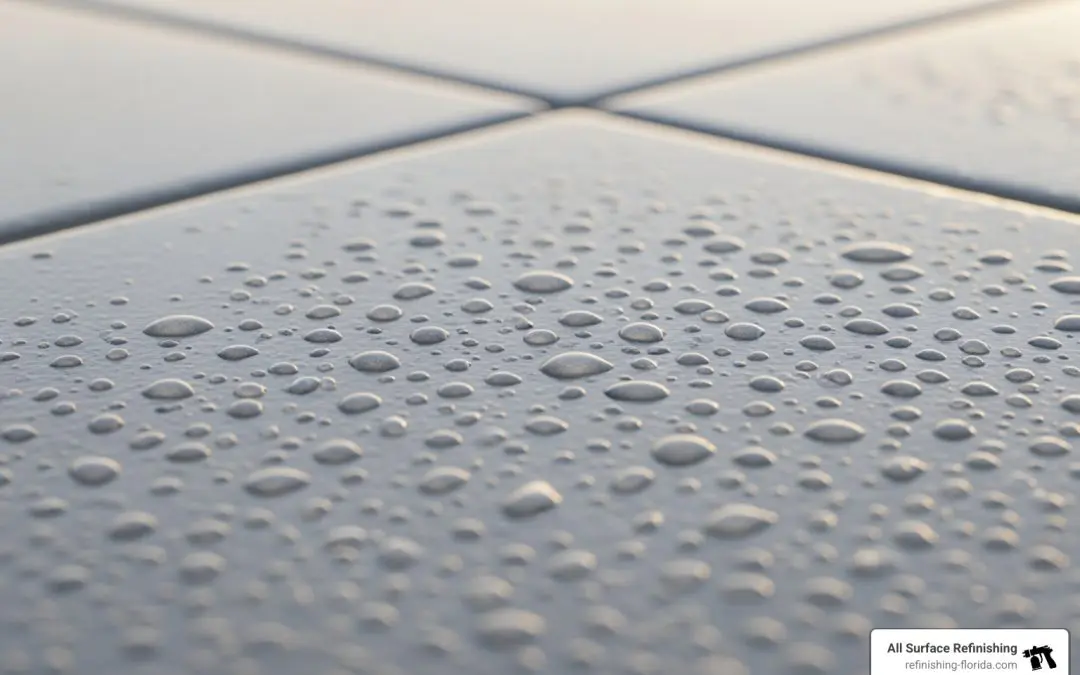
Why Slippery Tile Floors Are a Hidden Hazard in Your Home
Tile anti-slip coating is a treatment applied to ceramic, porcelain, or natural stone tiles to increase traction and prevent slips, especially when wet. Here’s what you need to know:
- What it does: Creates microscopic treads or texture on the tile surface to boost grip
- How it works: Uses chemical treatments to micro-etch the glaze or bond a slip-resistant layer
- Where to use it: Bathrooms, showers, kitchens, pool decks, patios, commercial spaces
- Key measure: Increases Dynamic Coefficient of Friction (DCOF) from standard 0.42 to 0.60 or higher
- Lifespan: Professional treatments last 3-5 years or can be permanent depending on the method
- Best for: Unsealed ceramic, porcelain, natural stone (not recommended for polished surfaces)
Slippery bathroom floors are the #1 cause of household injuries. It only takes a little moisture to turn your beautiful tiled bathroom or kitchen into a dangerous hazard. You shouldn’t have to choose between the aesthetic appeal of tile and the safety of your family or customers.
The good news? You don’t have to replace your tiles or cover them with unsightly mats. Modern anti-slip treatments can make your existing floors safer without changing their appearance or requiring expensive renovations.
I’m Frank Hernandez, President of All Surface Refinishing, and I’ve been working with surface treatments including tile anti-slip coating applications throughout South Florida since 2011. Our team has helped hundreds of homeowners and businesses transform slippery surfaces into safe, confident walking areas across Miami-Dade, Broward, and Palm Beach counties.

What is a Tile Anti-Slip Coating and How Does It Work?
A tile anti-slip coating is a specialized treatment designed to improve the friction of tile surfaces, drastically reducing the risk of slips and falls. In South Florida, where humidity and wet conditions are common, this is more than just a convenience—it’s a necessity for safety in both residential and commercial spaces.
These coatings work in a few ingenious ways:
- Microscopic Treads: Some treatments create tiny, invisible treads on the tile surface. Think of it like adding miniature tire grooves to your floor, providing extra grip for bare feet or shoes.
- Micro-Etching: Other solutions work by gently micro-etching the tile’s glaze. This process creates a permanent, microscopic texture that isn’t visible to the naked eye but significantly increases slip resistance without altering the tile’s appearance. It’s not a coating that can peel or wear off, but rather a permanent change to the tile’s surface.
- Chemical Bonding: Certain advanced coatings form a strong chemical bond with the tile, creating a durable, slip-resistant layer. These often involve specialized urethane or acrylic formulations that add texture or improve the existing surface properties.
The effectiveness of these treatments is measured by the Coefficient of Friction (COF), particularly the Dynamic Coefficient of Friction (DCOF), which assesses how a tile performs in wet conditions. Our goal is always to bring surfaces up to or exceed stringent ANSI standards and ADA compliance requirements, ensuring maximum safety for everyone.
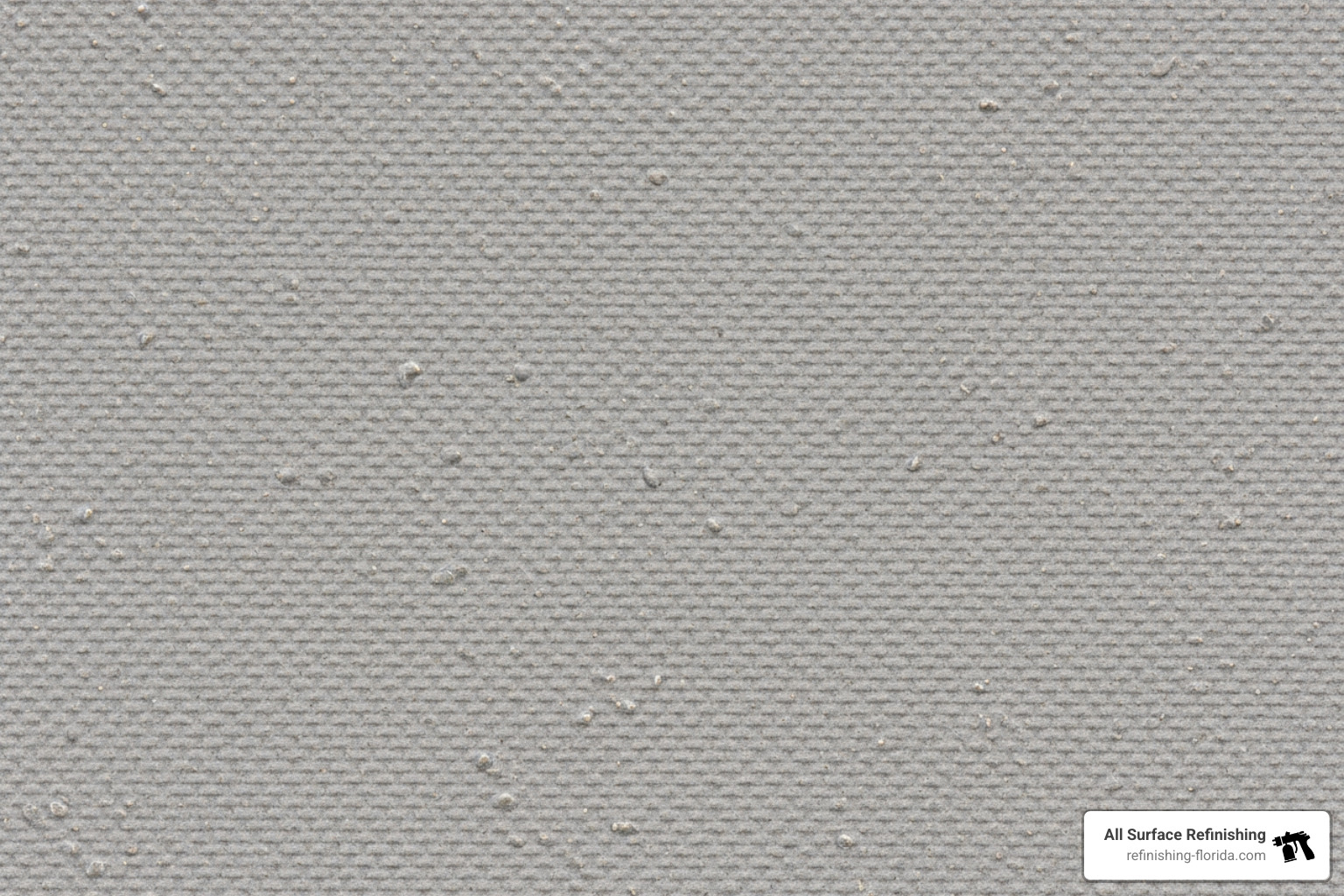
The Science Behind Safer Floors
When we talk about making floors safer, we’re really talking about increasing their Dynamic Coefficient of Friction (DCOF). This is a crucial measurement that indicates how resistant a floor is to slipping when wet. A higher DCOF means better traction.
For interior floor tiles, the industry standard for DCOF is at least 0.42. However, for improved safety, especially in areas prone to moisture, we aim for a DCOF of 0.60 or higher. Many advanced anti-slip solutions, whether they’re infused into the tile itself or applied as a coating, can achieve a DCOF of at least 0.60, significantly surpassing the standard. This means that surfaces that once had low slip resistance (below 0.4) can be transformed into high slip resistance areas (above 0.6), drastically reducing the risk of accidents.
Understanding DCOF helps us choose the right tile anti-slip coating for your specific needs, ensuring that your floors meet and even exceed safety guidelines.
A Daltile flyer explaining DCOF
Common Areas for Anti-Slip Tile Treatments
In sunny South Florida, where pool days and patio gatherings are a way of life, and even indoor spaces grapple with humidity, slippery tiles are a persistent concern. We frequently apply tile anti-slip coating in a variety of high-risk areas to protect both residents and visitors:
- Bathrooms: This is hands-down the most common area. With humidity, water splashes, and soap residue, bathroom floors and shower pans become incredibly treacherous. Slippery bathroom floors are, in fact, the leading cause of household injuries. Our treatments make these areas safe, even when soaking wet.
- Kitchens: Whether it’s a busy commercial kitchen in Fort Lauderdale or a busy family kitchen in Miami, spills are inevitable. Grease, water, and food debris can turn a beautiful tiled kitchen into an accident waiting to happen. Anti-slip solutions provide crucial grip.
- Commercial Bathrooms: For businesses, safety is paramount. Hotels in Palm Beach, restaurants in Boca Raton, and even fitness centers throughout Broward County rely on our services to ensure their public restrooms are safe for their patrons.
- Patios and Pool Decks: Our outdoor living spaces are central to the South Florida lifestyle. But wet feet from the pool or a sudden rain shower can make tiled patios and pool surrounds extremely hazardous. We can treat these surfaces to provide reliable traction, even when drenched.
- Entryways and Hallways: During our rainy season, tiled entryways and hallways can become very slippery as people track in water. An anti-slip treatment ensures a safe transition from outdoors to indoors.
Essentially, any tiled area that regularly encounters moisture, whether from daily use, spills, or our tropical climate, is a prime candidate for an anti-slip treatment.
A Step-by-Step Guide to Professional Anti-Slip Tile Coating Application
While some DIY kits exist, achieving truly reliable, long-lasting, and aesthetically pleasing results with a tile anti-slip coating often requires professional expertise. Our process at All Surface Refinishing is meticulous, ensuring safety and durability for your tiled surfaces. We take every precaution, including proper ventilation and the use of protective gear, to safeguard both our team and your property.

Step 1: Thorough Surface Preparation
The foundation of any successful anti-slip treatment lies in impeccable surface preparation. Think of it like cooking: even the best ingredients won’t taste good if you start with a dirty pan.
First, we begin with a deep cleaning. This isn’t just a quick mop; it involves specialized cleaners and degreasers to strip away years of grime, soap scum, oils, and any existing waxes or sealers. Even if your tiles look clean, microscopic contaminants can prevent the anti-slip treatment from properly bonding. We pay close attention to grout lines, as accumulated dirt there can also compromise the treatment’s effectiveness.
Next, if any old sealers are present, we carefully remove them. Many anti-slip treatments are designed to work directly with the tile’s original surface, and an old, failing sealer can create an uneven base. Finally, we ensure the surface is completely dry. Moisture trapped beneath the treatment can lead to adhesion issues and reduce its lifespan. This meticulous preparation is critical to guarantee the optimal performance and longevity of your new anti-slip surface.
Step 2: The Application Process
Once your tile surface is prepped and ready, we move on to the application of the tile anti-slip coating. This is where our expertise truly shines.
We always start by performing a small test in an inconspicuous area. This allows us to determine the ideal dwell time and ensure the treatment will achieve the desired level of slip resistance without any unexpected changes to your tile’s appearance. This is particularly important for unique or darker tile types.
Depending on the specific type of anti-slip coating and the size of the area, we use professional-grade equipment such as specialized sprayers or microfiber rollers. This ensures an even, consistent application across the entire surface. The key is to apply a thin, uniform layer, avoiding puddles or missed spots.
For certain treatments, it’s crucial to keep the surface wet during the application and dwell period. If the product starts to dry prematurely, it can lead to inconsistent results. Our technicians are trained to monitor the surface constantly, adding more product if necessary to maintain the required wetness. This careful, controlled application is what sets a professional job apart, guaranteeing an effective and durable anti-slip solution.
Step 3: Dwell, Test, and Neutralize
The “dwell” period is the magical time when the tile anti-slip coating actively works its wonders. During this phase, the chemicals are either micro-etching the surface, creating microscopic treads, or bonding to the tile. The exact dwell time varies depending on the product and the tile type, typically ranging from a few minutes to up to 15 minutes. Our technicians carefully monitor this process, knowing that too little time won’t create enough grip, and too much could potentially over-etch certain delicate surfaces.
Once the initial dwell time has passed, we perform a test for the desired grip. This isn’t just a visual check; it often involves specialized tools or techniques to ensure the DCOF has reached the optimal level for safety. We want you to feel the difference and have confidence in your newly treated floors.
After achieving the perfect level of slip resistance, the next critical step is neutralization. For many chemical treatments, a neutralizing solution is applied to stop the etching process and restore the tile’s pH balance. This step is vital to prevent any ongoing chemical reaction and ensure the long-term integrity of your tiles. Finally, the entire area is thoroughly rinsed with clean water, and any residue is removed. The surface is then dried, and in many cases, it’s ready for immediate use, allowing you to step with confidence on your newly transformed, safer floors.
Key Factors for Your Tile Project
Choosing the right tile anti-slip coating is not a one-size-fits-all decision. Several key factors come into play, from the type of tile you have to your expectations for durability and maintenance. Making an informed decision, often with the guidance of professionals like us, ensures you get the most effective and long-lasting solution for your South Florida home or business.
Choosing the Right Tile Anti-Slip Coating
The type of tile you have significantly influences which tile anti-slip coating or treatment will be most effective. We work with a variety of materials common in South Florida homes and businesses:
- Porcelain Tiles: These dense, refined clay tiles are popular for their durability and low water absorption. While some porcelain tiles are manufactured with slip-resistant properties (like those with a DCOF of 0.60 or higher), many older or polished versions can be quite slippery, especially when wet. Our treatments can drastically improve their DCOF without altering their appearance.
- Ceramic Tiles: Similar to porcelain, ceramic tiles are widely used. They respond very well to micro-etching treatments and bonded coatings, making them ideal candidates for improved slip resistance in kitchens and bathrooms.
- Natural Stone (Travertine, Slate, Marble): These beautiful, porous stones are often found in high-end homes and outdoor spaces across our service areas, from Aventura to West Palm Beach. Treatments for natural stone need to be carefully selected to ensure they penetrate effectively without causing discoloration or damage. Some products are specifically formulated for various stone and mineral surfaces, including travertine and slate, creating microscopic treads to increase traction.
- Limitations on Polished Surfaces: Some anti-slip coatings and micro-etching treatments are generally not recommended for highly polished porcelain, polished ceramic, or polished natural stone tiles. Applying treatments to these surfaces can be challenging, and some solutions may alter their glossy finish or cause an undesirable appearance. We can assess your specific tiles and advise on the best approach, or if a different solution is needed.
Understanding your tile’s material is the first step toward a safer floor.
Maintaining Your Tile Anti-Slip Coating
Once your tile anti-slip coating is applied, proper maintenance is key to ensuring its longevity and continued effectiveness. The expected lifespan of these treatments can vary:
- Some DIY anti-slip treatments might last up to 3 years.
- Certain professional-grade sprays can be guaranteed for 5 years under specific conditions.
- Micro-etching treatments, which permanently alter the tile’s surface, are designed to last indefinitely and will not peel or wear off.
Regardless of the type, these best practices will help maintain your anti-slip treated floors:
- Regular Cleaning: Periodically clean treated floors with a pH-neutral cleaner. This helps prevent the buildup of dirt, grease, and soap residue, which can fill the microscopic textures and reduce slip resistance.
- Avoid Harsh Chemicals: Steer clear of abrasive cleaners, harsh acids, or bleach. These can degrade the anti-slip properties or damage the tile itself. A mild, soap-free degreaser is usually sufficient.
- No Abrasive Tools: When cleaning, use soft brushes or mops. Abrasive scrubbing pads can wear down the treated surface over time, diminishing its effectiveness.
- Rinsing: Always rinse thoroughly after cleaning to remove any cleaning solution residue.
By following these simple maintenance tips, you can ensure your anti-slip treated tiles continue to provide a safe and secure surface for years to come.
Tips for slip-resistant porcelain
Why Choose a Professional Service
While the allure of a quick DIY fix might be tempting, choosing a professional service for your anti-slip treatment offers significant advantages, especially when it comes to something as critical as safety.
Risks of Improper DIY Application: Without the right expertise, equipment, and products, DIY attempts can lead to uneven application, inconsistent slip resistance, and even damage to your tiles. The treatment might not last as long, or worse, it might not provide adequate safety, leaving you with a false sense of security. Incorrect product selection for your specific tile type can also lead to discoloration or a compromised finish.
Benefits of Professional Service:
- Expertise: With decades of experience, our team at All Surface Refinishing understands the nuances of different tile types and anti-slip technologies. We know which tile anti-slip coating will work best for your specific needs, whether it’s for a commercial kitchen in Miami or a residential bathroom in Boca Raton.
- Proper Equipment: We use professional-grade tools and application techniques that ensure a uniform, effective, and durable finish. This includes specialized cleaners, sprayers, and safety equipment that aren’t typically available to the average homeowner.
- Durability and Warranty: Professional applications are designed for longevity. We stand behind our work, often offering warranties that give you peace of mind, knowing your investment in safety is protected.
- Cost-Effectiveness: While the initial outlay for professional service might seem higher than a DIY kit, the long-term durability, superior safety, and avoidance of costly mistakes make it a more cost-effective solution. Plus, it’s a fraction of the cost and mess of full tile replacement.
Entrusting your tile anti-slip coating to professionals means you’re investing in proven safety, lasting results, and the confidence that your floors are truly secure.
Frequently Asked Questions about Anti-Slip Treatments
We understand you might have questions about making your tiled floors safer. Here are some of the most common inquiries we receive about tile anti-slip coating and treatments:
Will an anti-slip treatment damage my tiles?
When applied correctly by professionals, anti-slip treatments are designed to improve safety without damaging your tiles. Most treatments either create microscopic textures or bond a new layer to the surface without compromising the tile’s integrity. However, it’s crucial to use the right product for your specific tile type. For instance, some micro-etching treatments, if applied improperly or to unsuitable polished or dark tiles, could potentially cause a subtle change in sheen or a slight lightening of color. This is why our professional assessment and test application in an inconspicuous area are so vital. We ensure the treatment is compatible with your tiles, preserving their beauty while significantly boosting their safety.
How often do I need to reapply an anti-slip treatment?
The reapplication frequency for an anti-slip treatment depends largely on the type of product used and the traffic it endures.
- Temporary Coatings/Sprays: Some consumer-grade or lighter commercial sprays might require reapplication every 1-3 years, especially in high-traffic areas or those frequently exposed to moisture and harsh cleaning. For example, some products claim to reduce slipperiness for up to 3 years.
- Durable Coatings: More robust, professional-grade coatings, particularly those that chemically bond to the surface, can last 3-5 years or even longer with proper maintenance. Some even come with guarantees for up to 5 years.
- Permanent Treatments: Micro-etching treatments, which physically alter the tile’s surface to create texture, are considered permanent. Since they are not a coating, they will not peel or wear off, meaning reapplication is generally not needed for the anti-slip property itself. However, maintaining the cleanliness of these microscopic textures is key to their ongoing effectiveness.
Our team at All Surface Refinishing can advise you on the expected lifespan of the specific tile anti-slip coating we recommend for your floors and provide maintenance guidelines to help maximize its durability.
Can I use anti-slip treatments on my outdoor patio in South Florida?
Absolutely! Outdoor patios and pool decks are among the most critical areas for anti-slip treatments in South Florida. With our abundant sunshine, frequent rain showers, and constant exposure to pool water, outdoor tiles can become dangerously slick. Many professional-grade tile anti-slip coating solutions are specifically formulated for outdoor use. They are designed to withstand:
- UV Exposure: They won’t degrade or yellow under the intense South Florida sun.
- Weather Elements: They can handle rain, humidity, and temperature fluctuations without losing their effectiveness.
- Heavy Foot Traffic: They provide durable traction for residential and commercial outdoor spaces, from backyard patios in Coral Gables to resort pool decks in Key Largo.
Applying an anti-slip treatment to your outdoor patio or pool deck is an excellent way to ensure the safety of your family, friends, or guests, allowing everyone to enjoy our beautiful Florida weather without the worry of slips and falls.
Conclusion: Step with Confidence on Your Floors
In South Florida, where the line between indoor and outdoor living often blurs, and humidity is a constant companion, ensuring the safety of your tiled floors is paramount. A professional tile anti-slip coating is more than just a surface treatment; it’s an investment in peace of mind.
By opting for a high-quality anti-slip solution, you’re not only protecting your family, friends, or customers from dangerous slips and falls, but you’re also preserving the beauty of your tiles and potentially increasing your property’s value. You no longer have to compromise between elegance and safety.
At All Surface Refinishing, we’re proud to bring our decades of experience and specialized expertise to every project. From residential bathrooms in Aventura to commercial kitchens in Fort Lauderdale, and from pool decks in Miami to tiled patios in West Palm Beach, we’re dedicated to changing slippery hazards into safe, confident walking surfaces. We serve a wide array of locations across South Florida, including Boca Raton, Boynton Beach, Coral Springs, Davie, Delray Beach, Hialeah, Hollywood, Jupiter, Kendall, Lake Worth, Miramar, North Miami, Pembroke Pines, Port Saint Lucie, Stuart, Tamarac, and Wellington, among many others.
Step forward with confidence on your floors.
Ready to make your bathroom floors safer? Explore our Non-Slip Bath solutions
