Comparing Standard Bathtubs and Jacuzzi Hydrotherapy Tubs
When designing a personal sanctuary, deciding between standard bathtubs and jetted hydrotherapy systems comes down to how you plan to use the space, your willingness to handle routine maintenance, and your overall project budget. A deep soaking tub prioritizes minimalist lines and quiet immersion, while a hydrotherapy whirlpool delivers targeted muscle recovery through pressurized streams. In South Florida homes from Miami and Fort Lauderdale to Boca Raton and Palm Beach, both styles can anchor a bathroom remodel, but they create very different daily experiences and long-term care requirements.
Understanding your bathing style helps you narrow down options across basin capacity, hydrotherapy methods, and structural requirements. Before committing to a specific model, it is helpful to compare jacuzzi tub options based on how water jets, air blowers, and basin depths perform in everyday residential settings. Homeowners should also consider how the tub will fit with surrounding tile, cabinetry, and bathroom fixtures, since a jetted unit may require more access space for service panels and plumbing connections.
| Feature / Consideration | Standard Soaking Bathtub | Jetted Jacuzzi / Whirlpool Tub |
|---|---|---|
| Primary Purpose | Full-body warm soaking, quiet relaxation | Deep tissue massage, physical therapy, stress relief |
| Mechanical Parts | None (gravity-fed drainage and standard faucet) | Water pump, air blower, internal PVC lines, suction intake |
| Electrical Needs | None | Dedicated 15–20A (120V) or 50–60A (240V) GFCI circuit |
| Typical Water Volume | 40 to 65 Gallons | 60 to 90+ Gallons (or up to 440+ Gallons for multi-seat spas) |
| Average Soaking Depth | 12 to 15 Inches | 15 to 20+ Inches |
| Cleaning Focus | Basin surface, drain trim, surrounding tile | Internal plumbing lines, jet nozzles, suction fittings, pump |
| Installation Complexity | Straightforward plumbing hookups | Requires electrical rough-in, access panels, subfloor checks |
Evaluating Standard Soaking and Freestanding Tubs
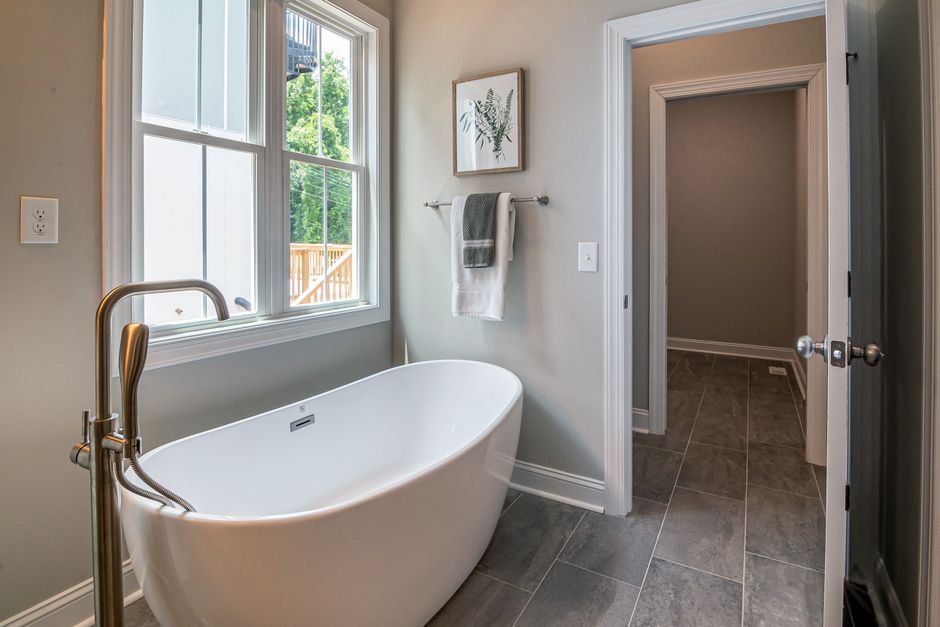
Standard soaking bathtubs—including classic alcove setups, drop-in basins, and modern freestanding designs—remain a popular choice in home renovations across South Florida. Available in high-gloss acrylic, enameled steel, cast iron, and solid surface composites, these fixtures focus on clean lines and dependable performance. Because they have no internal circulation system, they are also easier to maintain over time and less likely to trap soap residue or bath oils in hidden plumbing.
Modern freestanding designs, like freestanding heated soaking tubs, combine clean aesthetics with built-in heating elements that maintain water temperature without turbulent jet action. Standard soaking tubs are easy to keep clean since they lack internal plumbing lines where bath oils and minerals can settle. For homeowners updating a bathroom in Coral Gables, Weston, or Palm Beach Gardens, a freestanding tub can also serve as a visual centerpiece that complements refinished tile surrounds and updated vanity cabinets.
The Hydrotherapy Advantages of Whirlpool and Air Systems
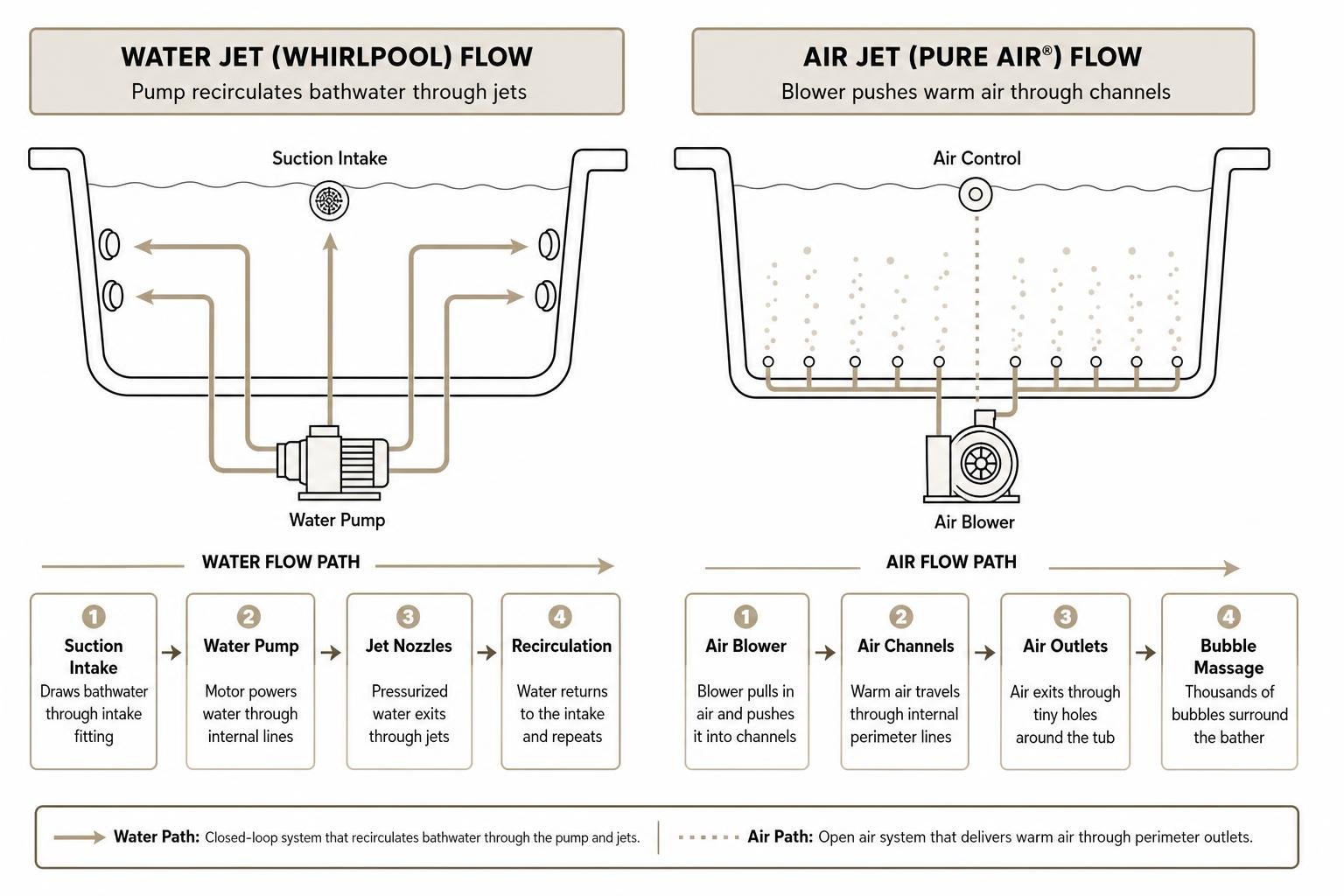
Hydrotherapy tubs use mechanical systems to move water and air, transforming an ordinary bath into a therapeutic massage. Understanding the hydrotherapy benefits and jet systems helps clarify the distinction between traditional water-jet whirlpools and gentle air baths:
- Water Jets (Whirlpool): An electric motor draws bathwater through an intake suction port and pumps it through directional nozzles. This creates a focused, deep-tissue hydromassage that eases lower-back tension, relieves joint stiffness, and aids post-workout recovery.
- Air Bubble Jets (Pure Air® Systems): An integrated blower pushes preheated air through dozens of tiny perimeter holes. This produces thousands of effervescent bubbles, delivering a gentle, full-body massage without high-pressure streams.
- Combination Systems: Luxury units pair adjustable water jets with air channels, giving bathers independent control over massage intensity.
- Advanced Wellness Features: Premium residential models and standalone hydrotherapy lounges often feature multi-spectrum chromotherapy lighting, built-in inline heaters, ozone sanitation, and specialized neck or lumbar jets. These match the engineering seen in hydrotherapy lounge design specifications.
Installation and Engineering Demands for Home Spa Upgrades
Adding a hydrotherapy tub or heavy soaking basin involves more than simply setting the unit in place. Water weighs 8.34 pounds per gallon, so a standard 70-gallon bath carries over 580 pounds in water alone—before factoring in the bather’s weight and the tub shell. Larger installations require careful planning around framing, plumbing, and electrical capacity. In many South Florida bathrooms, the existing floor structure was not originally designed for a filled jetted tub, so a professional assessment is an important first step before any bathroom remodel moves forward.

Structural and Plumbing Requirements for Bathtubs and Jacuzzi Units
Before installing an oversized jetted tub in communities like Coral Gables, Boca Raton, or Fort Lauderdale, verify your subfloor’s structural load capacity. Second-story installations often need reinforced joists to prevent sagging or cracked tile. The surrounding bathroom floor must also be checked for moisture damage, especially in older homes where hidden leaks may have weakened the subfloor before the new tub is installed.
A common issue with complex jetted installations is plumbing wear around flexible PVC joints. Knowing the steps for preventing plumbing leaks and jet issues protects surrounding subfloors and ceilings from hidden water damage. Proper drain alignment and access to the pump and suction fittings are also essential, since even a small misalignment can create stress on connections and lead to slow leaks behind finished walls or under bathroom tile.
Electrical Capacity and Heating Specifications
Standard soaking tubs do not need electrical connections, but jetted whirlpools and heated tubs require dedicated power to run safely:
- 120V Dedicated Circuits: Most standalone indoor whirlpool tubs require an isolated 15-amp or 20-amp GFCI circuit for the primary pump motor.
- 240V Multi-Amperage Lines: Units with high-output inline heaters, dual pumps, or multi-person outdoor shells need a 50-amp to 60-amp hardwired 240V connection.
- GFCI Safety Protection: Ground Fault Circuit Interrupter breakers are essential near wet environments to protect bathers from electrical faults.
- Operating Costs: Energy-efficient indoor tubs with well-insulated shells generally run for $15 to $35 per month, depending on local power rates and how often the heater runs.
For homeowners in Miami-Dade, Broward, and Palm Beach counties, local building codes may also require a licensed electrician to complete the dedicated circuit installation and confirm that the bathroom wiring can support the added load without overloading existing circuits.
Daily Maintenance and Surface Restoration Realities
Even the most luxurious tub loses its appeal if it becomes difficult to clean or develops dull, chipped surfaces. The maintenance requirements for standard bathtubs and jacuzzi units differ significantly because of the hidden internal lines in jetted models. A standard tub can usually be wiped down in minutes, while a jetted system needs periodic flushing to keep the internal plumbing clean and free of buildup.
Long-Term Maintenance for Bathtubs and Jacuzzi Fixtures
Hard water minerals, skin oils, soap scum, and bath salts can build up inside whirlpool lines, creating dark biofilm if the system is left uncleaned. Maintaining clean, hygienic lines requires a steady care routine:
- Avoid Bath Additives in Jetted Tubs: Never use bath oils, heavy bubble baths, or Epsom salts in closed-loop water-jet systems unless the manufacturer allows it. These products leave oily deposits inside the internal lines.
- Gentle Surface Cleaning: Clean acrylic and gelcoat finishes with non-abrasive, pH-neutral cleansers and soft microfiber cloths. Avoid harsh scouring powders, bleach, or scouring pads that scratch the protective glaze.
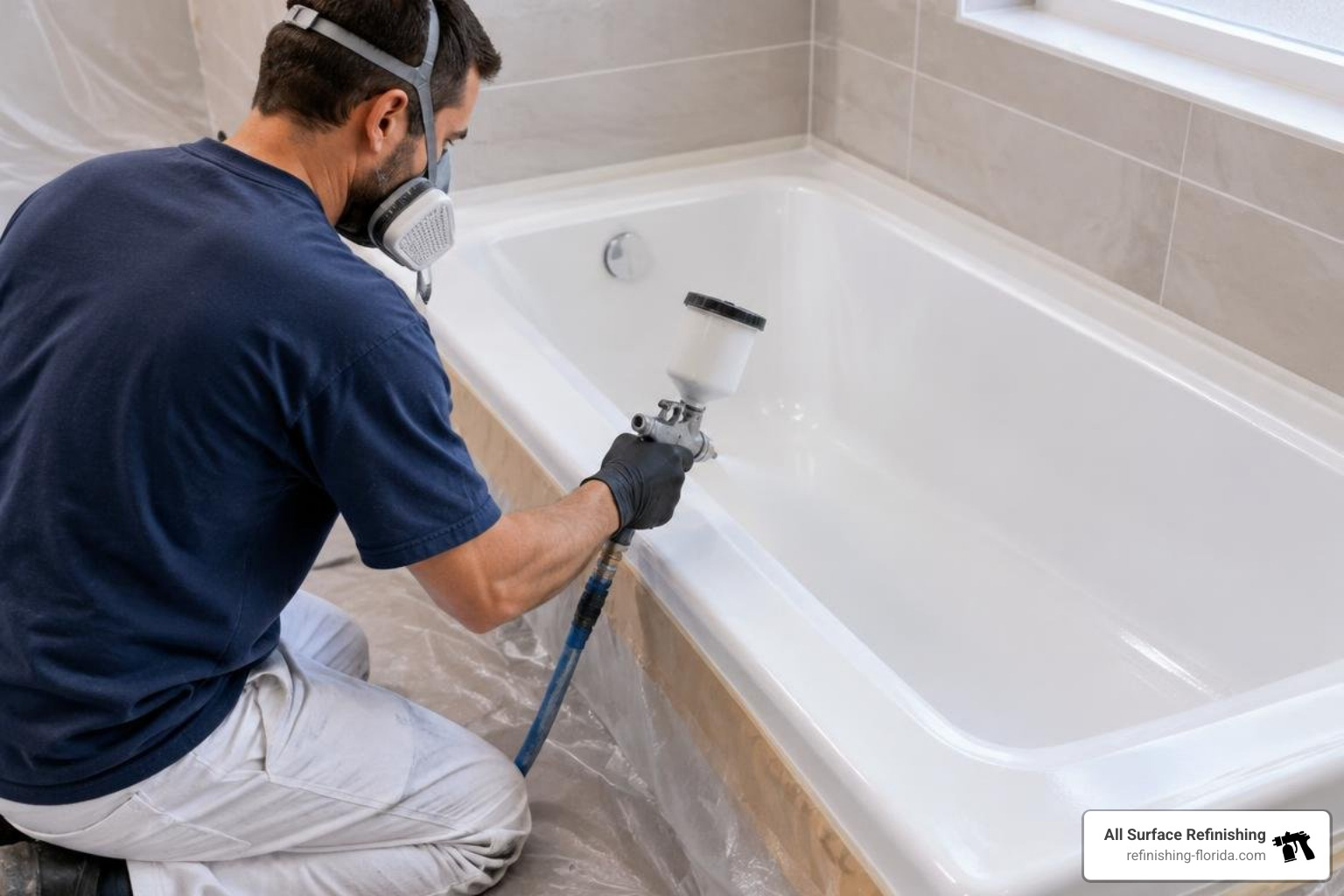
- Restoring Weathered Fixtures: If mineral scale, UV exposure, or aggressive cleaning has dulled your tub’s finish, jacuzzi tub refinishing and resurfacing restores a smooth, high-gloss surface without the cost of tearing out the entire fixture.
For bathrooms in coastal communities such as Miami Beach, Delray Beach, and Palm Beach, mineral-heavy water can accelerate surface wear, making a consistent cleaning schedule even more important. Refinished tubs and surrounding tile should be treated with the same gentle products to preserve the new surface and prevent premature dulling.
Repairing Cracks and Restoring Worn Acrylic Surfaces
Acrylic and fiberglass tubs are tough, but heavy impacts, loose subfloors, or everyday wear can lead to hairline fractures, spider cracks around drains, and chipped edges. When moisture gets beneath a cracked acrylic skin, it weakens the fiberglass base and can cause subfloor leaks. Left unaddressed, these small cracks can spread and damage adjacent bathroom tile, cabinets, and drywall.
Instead of demolition, professional jacuzzi crack repair stabilizes the structural backing using injected structural resins before resurfacing the topcoat. Our technicians match the factory color, restoring structural integrity and a uniform shine that blends seamlessly with your bathroom tile and countertops. This approach is especially useful in older South Florida homes where replacing a built-in tub would require disturbing surrounding tile work and custom cabinetry.
Frequently Asked Questions About Bathtubs and Jetted Spas
Are jetted whirlpool tubs harder to maintain than standard soaking tubs?
Yes. While a standard soaking tub only needs a simple surface wipe-down after use, jetted whirlpool tubs rely on hidden PVC lines that recirculate water. If these lines are not flushed with a dedicated plumbing cleaner every 30 to 60 days, bath residue, soap scum, and moisture can form biofilm inside the pipes. Homeowners should also run the jets briefly after each use to help clear standing water from the internal lines, and they should avoid products that leave oily deposits behind.
How long do acrylic tubs and jetted systems typically last?
A well-maintained acrylic tub shell lasts 15 to 25 years. The mechanical components of a jetted system—such as the water pump, air blower, pneumatic switches, and inline heaters—generally last 8 to 15 years depending on usage and water quality. Addressing minor leaks and running pumps regularly keeps the mechanical seals supple and extends equipment life. In bathrooms with hard water or heavy daily use, more frequent cleaning and inspection can help prevent premature wear on both the tub surface and the surrounding tile.
Can an existing jetted tub or soaking tub be refinished instead of replaced?
Yes. Professional resurfacing is an effective, practical way to restore stained, scratched, or outdated bathtubs and jacuzzi systems. The process involves repairing surface imperfections, applying a bonding primer, and spraying a durable, multi-layer coating. This produces a factory-grade gloss at a fraction of the cost of demolition and replacement. For many South Florida homeowners, refinishing is also faster and less disruptive than a full bathroom remodel, since the existing tub, tile, and cabinetry can remain in place while the surface is renewed.
Conclusion
Choosing between standard bathtubs and jacuzzi systems comes down to your wellness goals, bathroom space, and maintenance preferences. A freestanding or alcove soaking tub offers quiet relaxation with simple upkeep. A jetted hydrotherapy tub delivers deep-tissue muscle relief, supported by dedicated electrical hookups, regular line purging, and proper weight planning. Both options can enhance a bathroom remodel, but the right choice depends on how much maintenance you are willing to accept and how the tub will be used day to day.
If your current bathtub, jetted spa, bathroom tile, or vanity cabinets look worn, scratched, or dated, you do not have to endure a disruptive, expensive demolition. All Surface Refinishing brings over 30 years of specialized trade experience and more than 14,000 successful transformations to properties across Miami-Dade, Broward, and Palm Beach counties. We restore bathtubs, jacuzzis, tile surrounds, bathroom vanities, and kitchen cabinets to pristine condition using proven resurfacing methods.
Homeowners and commercial property managers in Miami, Fort Lauderdale, Palm Beach, and surrounding South Florida communities can revitalize their existing fixtures with our professional bathtub refinishing services. Contact our team today to discuss your bathtub, tile, or cabinet restoration project and receive a free estimate.
