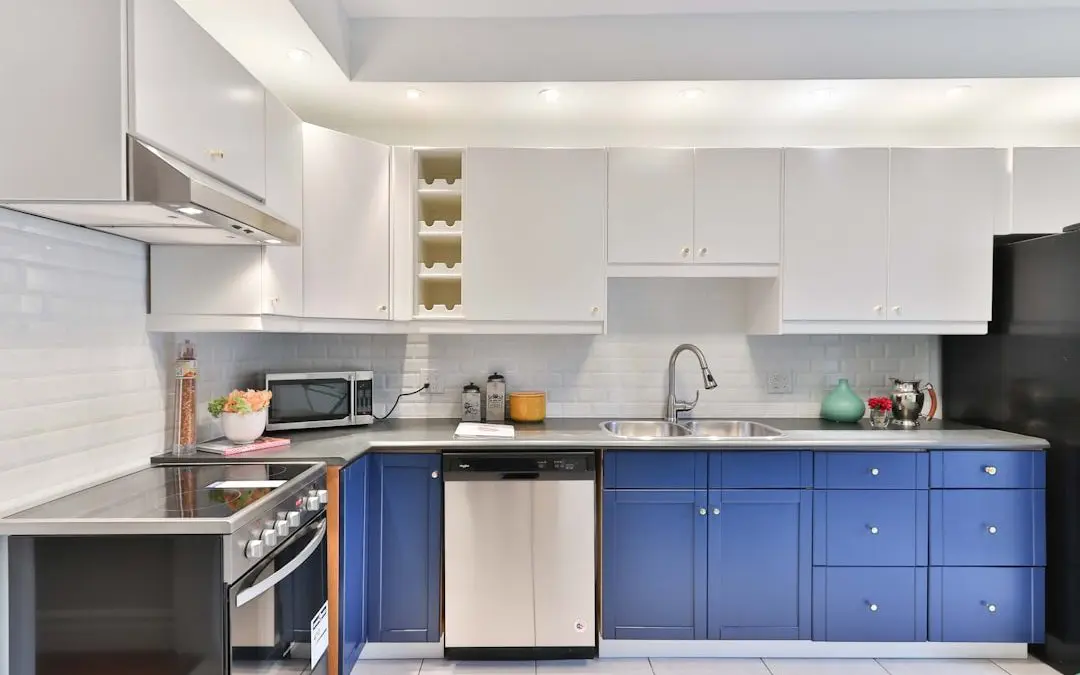
How to Choose Kitchen Cabinet Fronts for Your Space
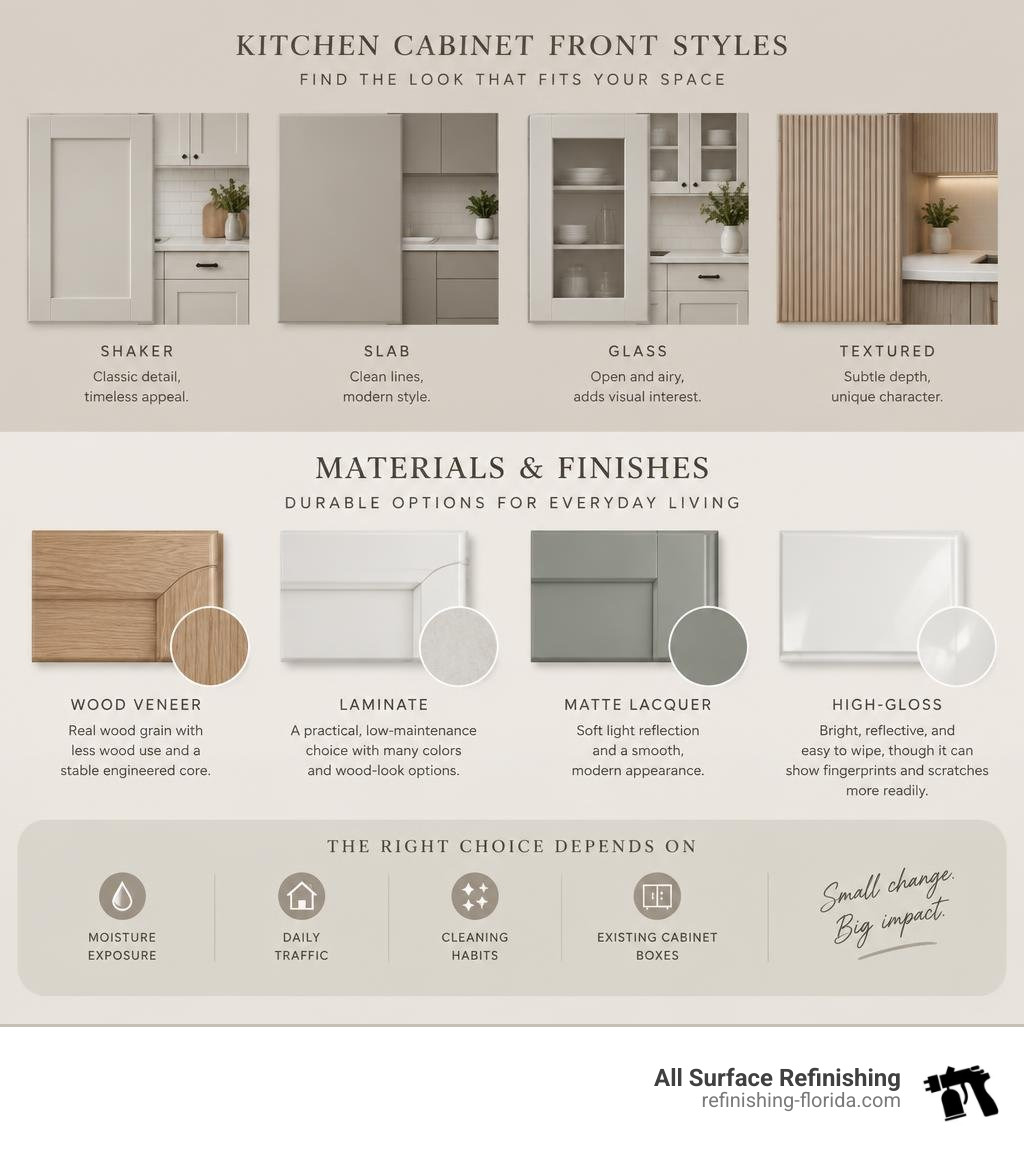
Kitchen cabinet fronts are the visible doors and drawer faces that set your kitchen’s style, cleaning needs, and overall cost. Start by choosing a profile that fits the room: Shaker for classic detail, slab fronts for a clean modern look, or glass and textured fronts for an accent. Then compare materials and finishes based on daily use:
- Wood veneer: Real wood grain with less wood use than solid wood and a stable engineered core.
- Laminate: A practical, low-maintenance choice with many colors and wood-look options.
- Matte lacquer: Soft light reflection and a smooth, modern appearance.
- High-gloss: Bright, reflective, and easy to wipe, though it can show fingerprints and scratches more readily.
The best choice balances the look you want with moisture exposure, traffic, cleaning habits, and the condition of your existing cabinet boxes. In many kitchens, improving sound cabinet doors and drawer faces can make an outdated space feel dramatically newer without the disruption of a full kitchen replacement. For a broader look at how cabinet construction affects durability and style, see this kitchen cabinet overview.
I am Frank Hernandez, President of All Surface Refinishing, and I have worked in surface refinishing for more than a decade while serving South Florida property owners since 1996 through our combined company experience. In the sections ahead, I will help you compare kitchen cabinet fronts and understand when restoring existing cabinet surfaces may be the smarter path.
Essential kitchen cabinet fronts terms:
Popular Styles for Kitchen Cabinet Fronts
The design language of your kitchen starts with the geometry of its doors. Cabinet faces act as the architectural canvas for the entire culinary space, establishing whether a home leans toward sleek European minimalism, warm transitional balance, or timeless traditional heritage. Because the exterior surfaces cover the vast majority of visual real estate, choosing the right profile dictates everything from hardware selection to lighting requirements.
Shaker, Slab, and Accent Kitchen Cabinet Fronts
Cabinet door construction generally falls into three main design categories:
- Shaker Profiles: Characterized by a recessed center panel surrounded by a four-piece outer frame, Shaker doors offer incredible design versatility. Their structured depth brings dimension to transitional interiors, and their clean lines bridge the gap between historic charm and contemporary simplicity. If you want to explore profile variations, check out our comprehensive guide to kitchen cabinet styles and options.
- Slab (Flat-Panel) Fronts: Slab designs feature a completely flat, uninterrupted exterior, emphasizing clean geometric form and uncluttered surfaces. They are ideal for modern spaces and often feature integrated pull handles or touch-latch hardware to eliminate exterior handles entirely.
- Accent and Textured Doors: Fluted surfaces, micro-grooves, beadboard patterns, and glass-insert panels break up continuous runs of solid cabinetry. Incorporating ribbed wood textures or glass mullions on upper cabinets adds visual depth, reflects ambient light, and allows you to showcase decorative dinnerware.
Sizing and System Compatibility for Modular Frames
For modular cabinet framework systems common in North American and European kitchens, precision manufacturing is critical. Most modular boxes utilize standardized 32mm system hole boring patterns. When sourcing aftermarket or replacement cabinet doors for kitchen and bath layouts, your panels must feature identical hinge cup bore depths (typically 35mm diameter) and mounting patterns to align properly with existing concealed euro-hinges.
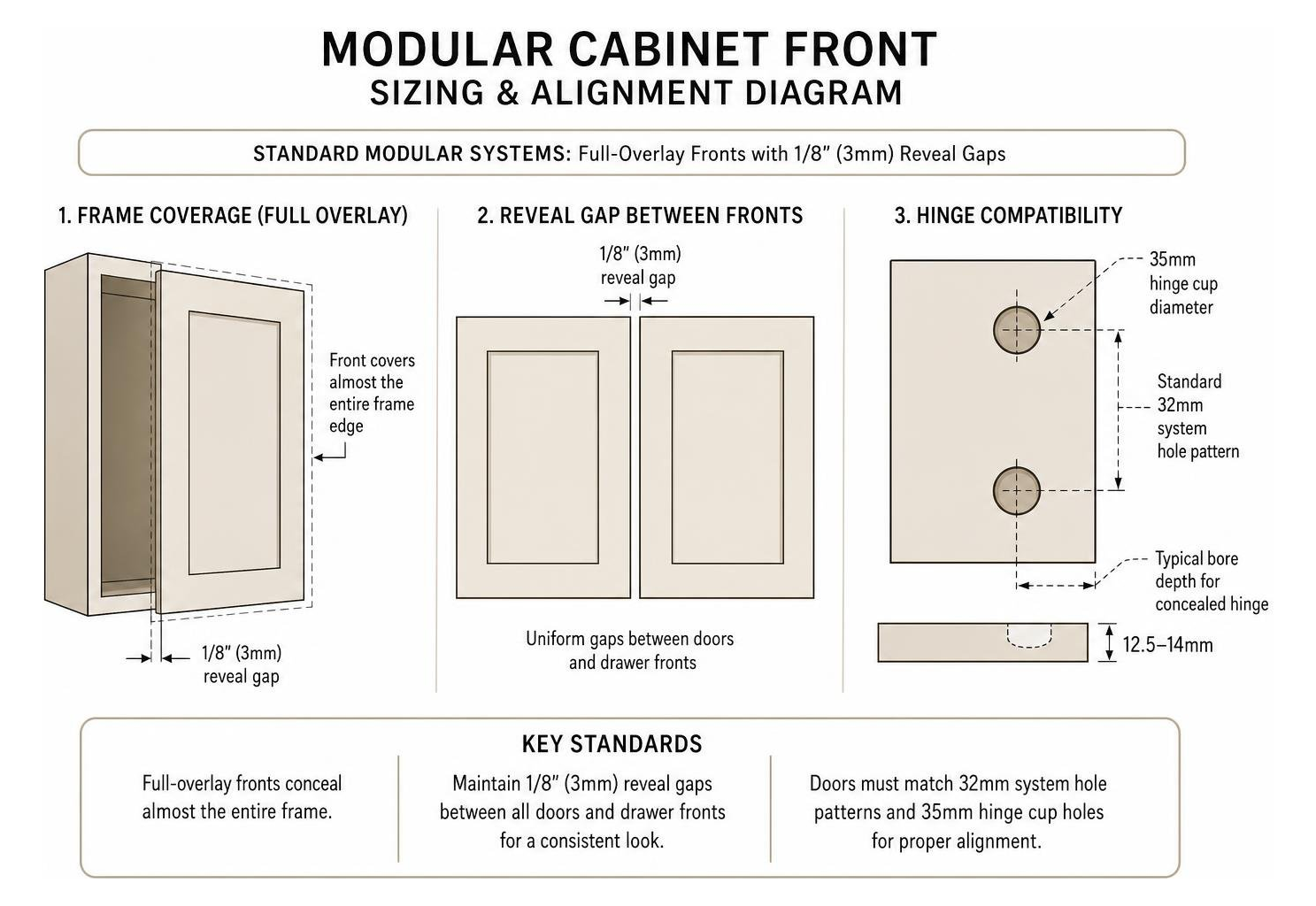
Ensuring proper overlay dimensions is essential. Standard modular systems use full-overlay fronts that conceal almost the entire frame edge, leaving uniform 1/8-inch (3mm) reveal gaps between doors and drawer faces.
Comparing Materials and Finishes for Cabinet Fronts
Every kitchen environment presents physical challenges: steam from cooking, grease deposits, changing ambient humidity, and continuous physical contact. Selecting the proper substrate and exterior coating ensures your cabinet surfaces maintain structural integrity over decades of use.
Wood Veneer vs. Solid Wood and Laminate
| Material Type | Core Substrate | Surface Composition | Moisture Stability | Maintenance Needs |
|---|---|---|---|---|
| Real Wood Veneer | High-Density MDF | 0.5mm–1.5mm Natural Wood Slice | High (Resists Warping) | Moderate (Gentle Cleaners) |
| Solid Wood | Natural Timber | Continuous Hardwood Plank | Low-Moderate (Expands/Shrinks) | High (Requires Sealing) |
| Thermofoil / Laminate | MDF / Particleboard | Fused Melamine or PVC Foil | Moderate (Edge Sensitive) | Very Low (Easy Wipe-Down) |
Natural wood veneer bonds a thin slice of authentic hardwood—such as American walnut, white oak, or ash—onto a dense, dimensionally stable medium-density fiberboard (MDF) core. This construction yields significant environmental advantages: slicing timber into thin decorative leaves uses up to 70% less raw timber compared to solid timber millwork while eliminating the seasonal expansion, contraction, and panel cracking common to solid wood in humid climates. To understand more about these materials, read through our guide to kitchen cabinet veneer sheets and materials.
Lacquered, Matte, and High-Gloss Kitchen Cabinet Fronts
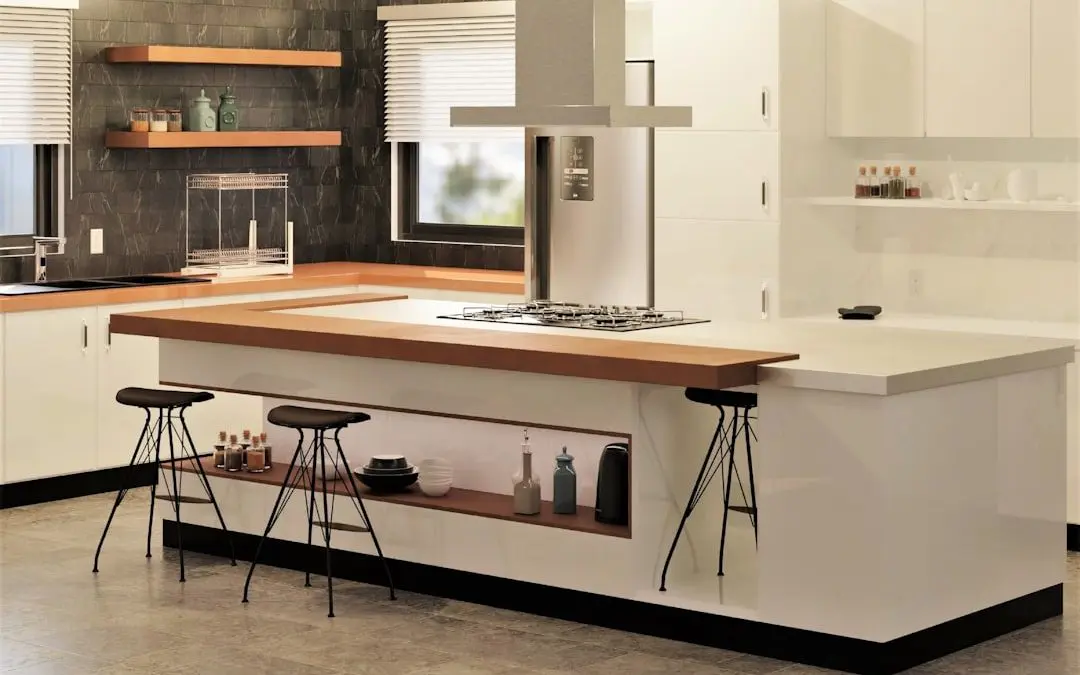
Factory coatings provide both aesthetic personality and surface defense:
- Matte Lacquer: Multi-stage polyurethane or catalyzed lacquer finishes provide velvety, non-reflective surfaces. High-end custom coatings allow homeowners to select specific hues from comprehensive architectural palettes like RAL or NCS color matching systems. Premium matte surfaces soften glare under modern LED task lighting.
- High-Gloss: High-gloss acrylics and mirror lacquers reflect illumination throughout compact layouts, making narrow kitchens appear visibly larger. While high-gloss is exceptionally easy to clean with a soft microfiber cloth, it does reveal fingerprints and surface micro-scratches more quickly than low-sheen options.
Buying Guide, Costs, and Installation Considerations
Updating kitchen aesthetics involves balancing lead times, material tiers, and installation complexities. Whether purchasing stock modular doors or custom-crafted exterior fronts, understanding logistical workflows ensures realistic budgeting.
Pricing Breakdown and Production Lead Times
| Front Category | Typical Price Range (Per Front) | Average Lead Time | Typical Warranty Window |
|---|---|---|---|
| Standard Modular Stock | $30 – $90 | In-Stock to 2 Weeks | Up to 25 Years (Retail Standard) |
| Lacquered Custom Fronts | $80 – $180 | 6 – 9 Weeks | 2 – 5 Years (Manufacturer Defect) |
| Architectural Natural Veneer | $120 – $260+ | 8 – 12 Weeks | 2 – 5 Years (Manufacturer Defect) |
Made-to-order architectural components require dedicated fabrication cycles for precision panel cutting, edge-banding, primer curing, and final topcoating. When planning custom deliveries, factor in factory production schedules along with transit freight timelines.
DIY Installation, Hardware, and Alignment

Installing replacement fronts requires systematic alignment:
- Mounting Concealed Hinges: Snap hinge arms into pre-drilled 35mm cup pockets on the door interior, tightening retaining screws securely without over-torquing the substrate.
- Hanging Doors: Clip hinge mounting plates onto the pre-drilled system holes inside your cabinet frame.
- Three-Way Adjustment: Use the adjustment screws on modern euro-hinges to calibrate vertical height, horizontal reveal, and depth alignment:
- Depth Screw: Adjusts the door inward or outward relative to the box face.
- Lateral Screw: Shifts the door left or right to equalize vertical gaps between adjacent panels.
- Height Screw: Centers the top and bottom door edges perfectly across the cabinet run.
- Cover Panels and Fillers: Complete the built-in architectural look by installing matching end panels flush with the outer door face and adding precision filler strips to close wall gaps.
Maintaining and Restoring Existing Cabinet Doors
Keeping kitchen surfaces in pristine condition requires straightforward daily maintenance:
- Clean spills immediately using warm water, mild dish soap, and a non-abrasive microfiber towel.
- Avoid harsh chemicals, abrasive scouring powders, bleach, or ammonia-based cleaners, which degrade clear coats and dull protective sheens.
- Protect surfaces from direct steam accumulation by running kitchen exhaust fans during cooking.
When high-quality solid wood or engineered doors have minor surface wear, outdated stain colors, or chipped factory paint, replacing them entirely is often an unnecessary expense. If your door panels and cabinet frames remain structurally sturdy, choosing professional cabinet doors refinishing restores flawless beauty at a fraction of the cost. Professional resurfacing breathes new life into your space by applying durable, industrial-grade coatings over sound existing wood and engineered substrates.
Frequently Asked Questions About Kitchen Cabinet Fronts
Can I replace only the cabinet fronts without altering the cabinet boxes?
Yes. If your underlying cabinet boxes are structurally plumb, level, and solid, you can retain the existing frames and interior shelving while replacing or refinishing only the doors, drawer fronts, and exterior side cover panels. This approach preserves your countertop, backsplash, plumbing, and functional kitchen layout.
How long do custom cabinet fronts typically take to deliver?
Stock replacement doors generally ship within 1 to 2 business days if locally warehoused. Custom made-to-order lacquer fronts require roughly 6 to 9 weeks, while premium custom natural wood veneer panels typically carry lead times of 8 to 12 weeks to account for grain matching, veneering, and multi-coat finishing.
What is the most durable finish for high-traffic kitchens?
Multi-coat catalyzed industrial lacquers, polyurethane coatings, and high-pressure laminates provide exceptional resistance to daily moisture, heat, grease, and routine cleaning. Matte and satin sheens offer the highest practical durability in busy households because they mask daily fingerprints and micro-abrasions significantly better than high-gloss alternatives.
Conclusion
Upgrading your kitchen surfaces transforms the heart of your home, establishing clean visual symmetry and enhancing daily enjoyment. Whether your design aesthetic calls for natural wood grain veneer, architectural Shaker panels, or minimalist flat-slab cabinetry, careful planning ensures your kitchen stands up to daily culinary use.
For homeowners throughout South Florida—including communities in Miami, Fort Lauderdale, West Palm Beach, Boca Raton, Coral Gables, Boynton Beach, Delray Beach, Hollywood, FL, Jupiter, Palm Beach Gardens, and surrounding areas across Miami-Dade County, Broward County, Palm Beach County, Martin County, and Saint Lucie County—All Surface Refinishing delivers dependable, high-quality transformations. With over 30 years of hands-on experience and more than 14,000 successful projects, we help property owners revitalize their kitchens and bathrooms cleanly, affordably, and sustainably.
Ready to transform your kitchen without the stress, mess, and high cost of a full demolition? Contact our team today to explore our professional cabinet refinishing services and request your free consultation.
