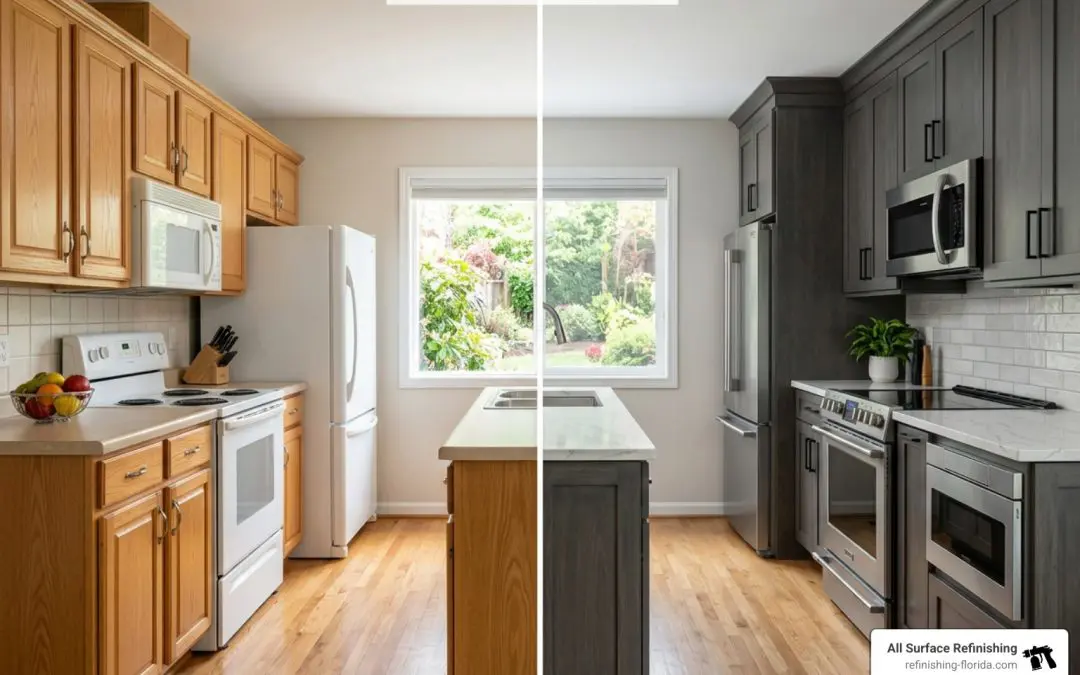
Your Kitchen Cabinets Don’t Have to Stay That Color
How to change color of cabinets without painting is something thousands of homeowners and property managers search for every year — and for good reason. Paint is messy, time-consuming, and often temporary. The good news? You have plenty of effective options that skip the brush entirely.
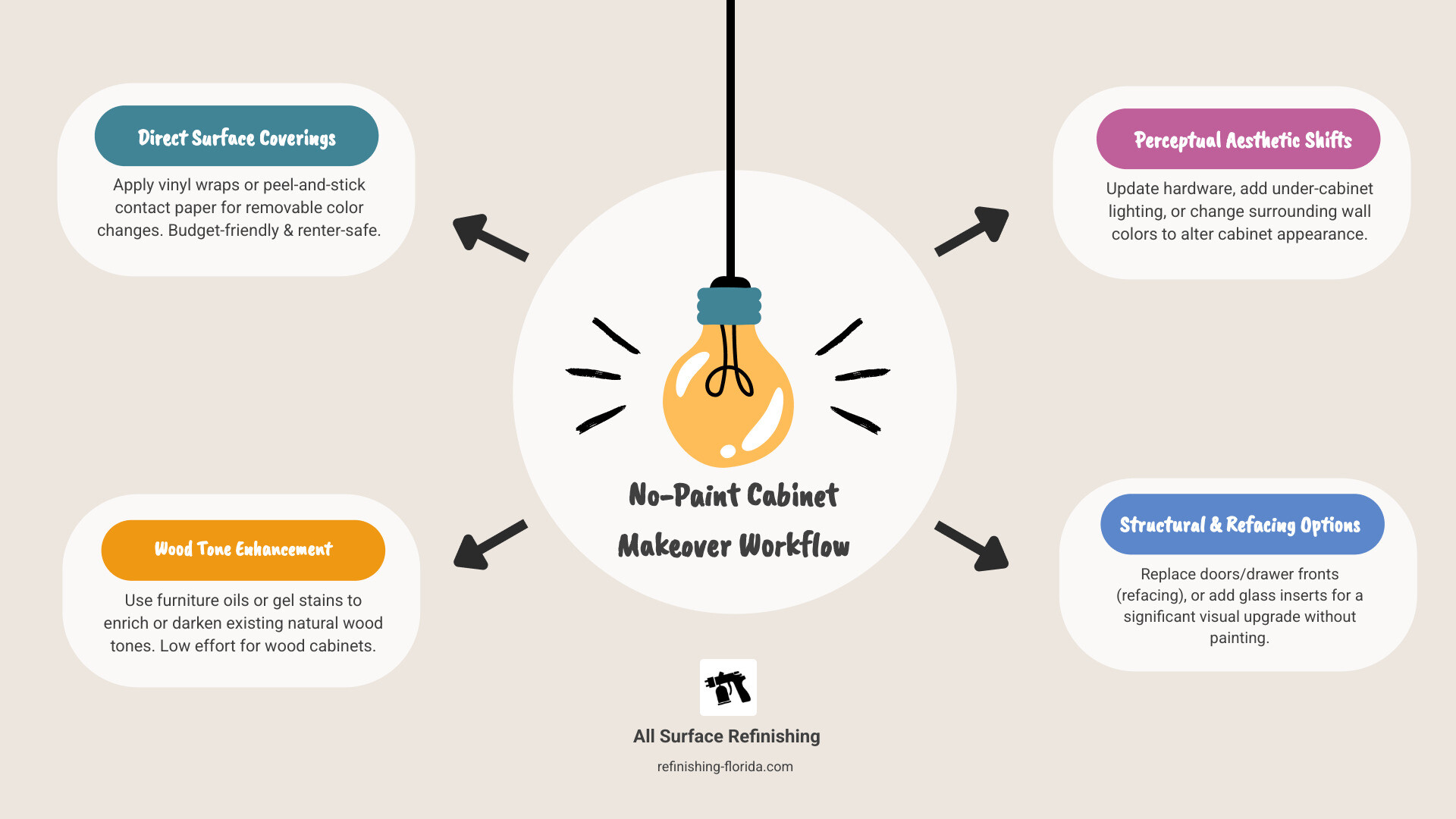
Here are the most popular ways to update your cabinet color without painting:
- Vinyl wraps – Apply directly over existing surfaces; removable and durable
- Peel-and-stick contact paper – Budget-friendly and renter-safe
- Furniture oils or gel stains – Enrich or darken natural wood tones
- Hardware swaps – New pulls and knobs instantly modernize any cabinet style
- Strategic wall color and backsplash changes – Shift how your cabinets look without touching them
- Under-cabinet lighting – Changes the mood and perceived tone of the entire space
- Structural updates – Glass inserts, open shelving, or crown molding for a fresh aesthetic
A complete kitchen refresh using several of these methods — new backsplash, lighting, hardware, and styling — can cost around $1,575, which is a fraction of what a full remodel runs.
Whether you own your home or rent it, whether your cabinets are solid oak or laminate, there’s a no-paint approach that fits your situation and your budget.
I’m Frank Hernandez, President of All Surface Refinishing, with decades of hands-on experience helping South Florida homeowners find the smartest, most cost-effective ways to change color of cabinets without painting or replacing them entirely. In this guide, I’ll walk you through every practical option — from quick DIY fixes to professional-grade solutions that last for years.
How to change color of cabinets without painting word roundup:
- best way to change kitchen cabinet color
- cabinet color change service
- kitchen cabinet painting experts
High-Impact Methods for How to Change Color of Cabinets Without Painting
When we talk about a “lazy” transformation, we aren’t talking about low quality; we’re talking about high efficiency. If you want a total color overhaul without the fumes and drying time of traditional paint, vinyl wraps and high-end contact papers are your best friends. These materials allow you to literally “skin” your cabinets in a brand-new hue or texture.
Vinyl wrapping is a favorite among those looking for How to Change the Color of Kitchen Cabinets Without Painting – Painting Tips. Unlike paint, which can chip, a high-quality vinyl wrap is heat and scratch-resistant. It’s a specialized film that adheres to the cabinet surface, providing a factory-smooth finish that is nearly impossible to achieve with a brush. It’s also incredibly versatile—you can go from a dated honey oak to a sleek matte charcoal or even a metallic finish in a single weekend.
For those who want a professional touch without the DIY headache, our Cabinet Color Change Service offers a streamlined way to achieve a fresh look. We specialize in techniques that respect your home’s original structure while providing a durable, modern aesthetic that stands up to the South Florida humidity.
Budget-Friendly Renter Hacks for How to Change Color of Cabinets Without Painting
Living in a rental in Miami or Fort Lauderdale often means you’re stuck with whatever “landlord special” cabinets were installed a decade ago. Since you likely can’t make permanent changes, peel-and-stick contact paper is a lifesaver. Modern contact papers have come a long way from the tacky floral patterns of the past. You can now find realistic wood grains, marble textures, and solid architectural colors.
The key to success with adhesives is preparation. Even if you aren’t painting, you must degrease the surfaces thoroughly. Kitchens are magnets for oil and dust, which are the enemies of adhesion. Once cleaned, these wraps can last for years but remain completely removable when your lease is up. This is a core component of Modern Cabinet Refinishing philosophy: providing beauty that doesn’t require a permanent commitment if you don’t want one.
Refreshing Wood Tones with Furniture Oils and Gel Stains
If you have solid wood cabinets—like the ubiquitous oak or maple found in many Boca Raton homes—you might not want to hide the grain. You just want to change the tone. Orange-toned oak can feel very “1990s,” but you can neutralize that warmth without a drop of opaque paint.
Furniture oils and gel stains are excellent for this. Unlike traditional stains that require you to sand the wood down to its bare soul, gel stains sit on top of the existing finish. They act more like a translucent glaze, allowing you to darken a “honey” oak into a rich “espresso” or a “driftwood” gray. This process provides a significant enrichment of the wood’s natural beauty while masking those dated yellow undertones.
For those dealing with older installations, learning how to Refinish Old Kitchen Cabinets using these methods can save thousands. You can find more inspiration on how to Update Oak (Wood) Kitchen Cabinets Without a Drop of Paint to see how a simple shift in wood tone can make a kitchen feel brand new.
Altering Perception: How Surrounding Elements Change Your Cabinet Color
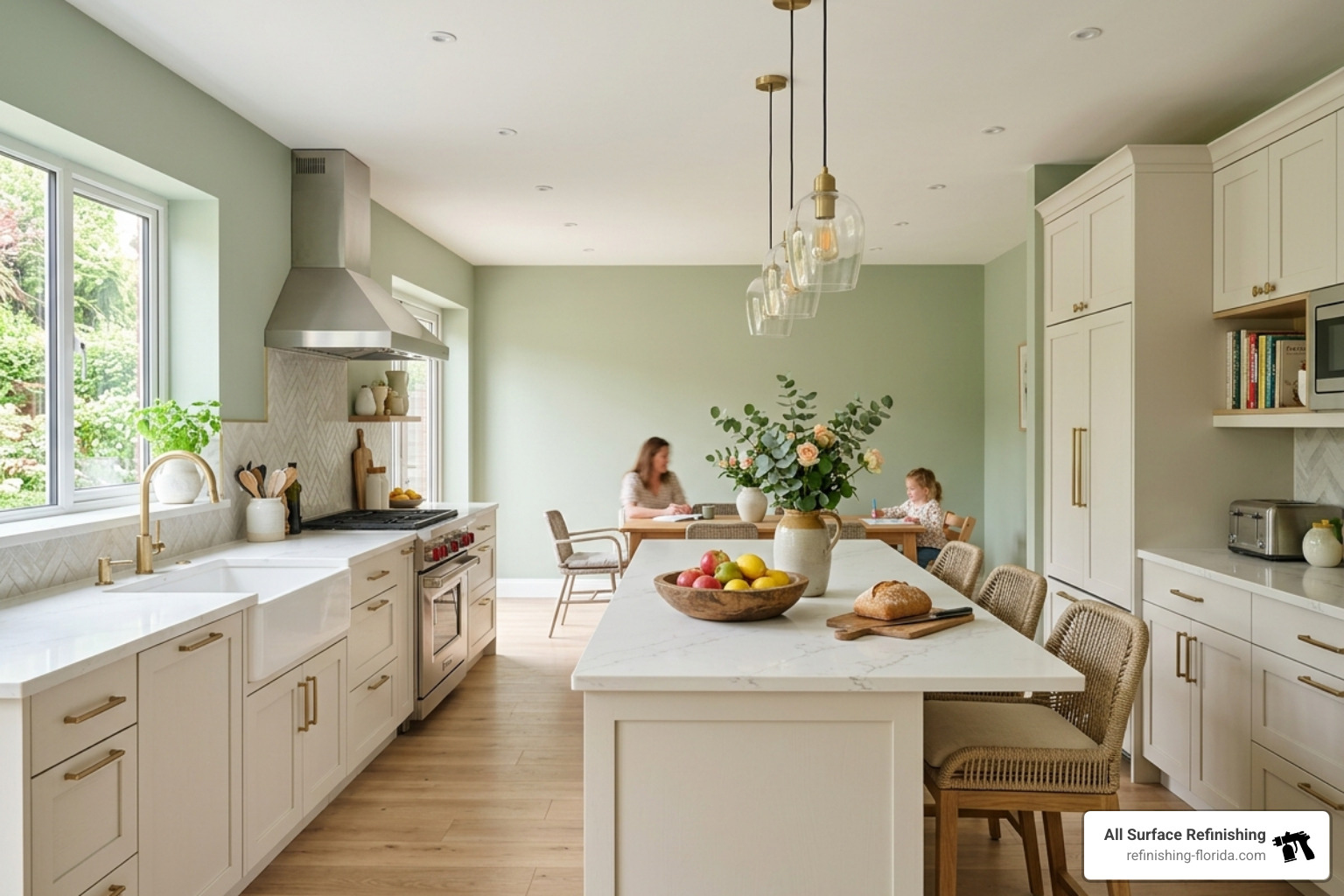
One of the most overlooked secrets in design is that color is relative. The way you perceive your cabinet color is heavily influenced by the colors directly next to them. If your cabinets look too “orange,” it’s likely because the wall color or backsplash is emphasizing those warm tones. By using color theory, we can “change” the cabinet color without ever touching the cabinets themselves.
Strategic Wall Colors and Backsplashes to Neutralize Wood Tones
If you have oak cabinets and you want them to look more modern, stay away from cool grays or blues. These colors are “complementary” to orange on the color wheel, which means they will actually make the orange pop more. Instead, look for warm neutrals—creams, beiges, or even a soft sage green. These tones blend with the wood, making the cabinets feel like a deliberate design choice rather than an eyesore.
The backsplash is another powerful tool. A clean, white subway tile with a light grout can provide a crisp contrast that brightens the entire room. If you’re a renter, you can even use peel-and-stick backsplash tiles to achieve this look. This type of Kitchen Cabinet Refurbishing focuses on the “frame” of the kitchen to change the “picture.”
A famous case study from The Kitchn showed How a Renter Totally Disguised Her “Dated” Kitchen Cabinets by painting the surrounding walls a deep terracotta. By matching the wall color to the undertone of the wood, the cabinets “disappeared” into the wall, creating a sophisticated, monochromatic look that felt intentional and high-end.
The Impact of Lighting and Hardware on How to Change Color of Cabinets Without Painting
Never underestimate the power of a new handle. Replacing basic, builder-grade hardware with sleek matte black pulls or warm antique brass knobs can completely shift the kitchen’s vibe. If you have dark cabinets, metallic hardware (like chrome or gold) acts like jewelry, reflecting light and breaking up the heavy color.
Speaking of light, under-cabinet LED strips are a game-changer. Often, cabinets look “drab” because they are in the shadows. By installing under-cabinet lighting, you illuminate the backsplash and the countertop, which reflects light back onto the cabinet faces. This can make a dark wood feel rich and intentional rather than dark and gloomy. For those looking to upgrade their cabinet fronts specifically, Cabinet Doors Refinishing can be paired with new hardware for a professional-grade finish.
Structural Tweaks for a Modern Kitchen Aesthetic
Sometimes the “color” isn’t the problem; it’s the “bulk.” Kitchens can feel dated because there is too much solid cabinetry. By making small structural changes, you can break up the color and introduce new textures.
| Method | Estimated Cost | Effort Level | Impact |
|---|---|---|---|
| Hardware Swap | $100 – $350 | Low | High |
| Vinyl Wrapping | $500 – $1,500 | Medium | Transformative |
| Glass Inserts | $200 – $600 | Medium | High |
| Open Shelving | $150 – $400 | Medium | High |
| Under-Cabinet Lighting | $50 – $200 | Low | Medium |
As noted in Refreshing Kitchen Cabinets Is a Redo Without the Reno, these updates allow you to keep the “bones” of your kitchen while completely changing the visual language.
Removing Upper Cabinets and Adding Glass Inserts
If your kitchen feels small and the cabinets feel heavy, consider removing a few upper cabinet doors to create open shelving. This allows you to introduce new colors through your dishes and decor. Alternatively, you can cut out the center panel of a cabinet door and replace it with a glass insert.
Glass inserts add reflection and “visual air” to the room. In a dark kitchen, the glass reflects light from windows and fixtures, making the cabinets appear lighter in color than they actually are. For a deep dive into how these changes work in South Florida homes, check out our Cabinet Refinishing Miami Complete Guide.
Enhancing Cabinetry with Decorative Trim and Molding
You can change the “style” of your cabinets by adding decorative trim. This is especially effective on flat-panel cabinets that feel a bit plain. By adding a simple shaker-style trim or crown molding to the top of the cabinets, you draw the eye upward and create a more custom, expensive look.
Common Decorative Trim Types:
- Crown Molding: Installed at the top to bridge the gap to the ceiling.
- Light Rail: A small trim at the bottom to hide under-cabinet lighting.
- Toe Kicks: Updating the base of the cabinet to match new flooring or provide a clean finish.
- Scribe Molding: Used to cover gaps between cabinets and walls for a seamless look.
Frequently Asked Questions about Cabinet Color Changes
What is the most budget-friendly way to change cabinet color without paint?
The most budget-friendly way is a combination of thorough cleaning, new hardware, and strategic styling. A deep clean with a degreaser can often reveal a much brighter color than you realized was there. When you add new hardware and style the counters with bright trays or plants, you can achieve a “refresh” for as little as $1,575. This is significantly cheaper than any professional painting or replacement project.
Can I use contact paper on bathroom cabinets?
Yes, but you have to be careful about moisture. Bathrooms are high-humidity environments. If you use contact paper, ensure the edges are sealed well so steam doesn’t cause the adhesive to fail. For long-term results in the “splash zone,” you might want to consider professional services to Refinish Bathroom Cabinets, as we use moisture-resistant coatings specifically designed for Florida’s climate.
How long do vinyl cabinet wraps last?
A high-quality vinyl wrap can last between 5 to 10 years if maintained properly. They are remarkably durable and resistant to the daily wear and tear of a busy kitchen. To maximize their lifespan, avoid using harsh abrasive cleaners and keep them away from direct, extreme heat (like a toaster oven placed directly under a wrapped upper cabinet).
Conclusion
You don’t need a paintbrush to fall in love with your kitchen again. Whether you choose the DIY route with vinyl wraps and contact paper or prefer the subtle shift of new lighting and hardware, the options for how to change color of cabinets without painting are vast and effective.
At All Surface Refinishing, we’ve spent over 30 years perfecting the art of the kitchen transformation. From Aventura to West Palm Beach, we’ve completed over 14,000 projects, helping our neighbors across South Florida achieve high-end results without the high-end price tag or the mess of a full renovation.
If you’re ready to stop staring at those dated cabinets and start enjoying a modern, refreshed space, we’re here to help. Whether you’re in Boca Raton, Fort Lauderdale, or Miami, our team can provide the expert guidance and professional services you need for a stress-free update.
