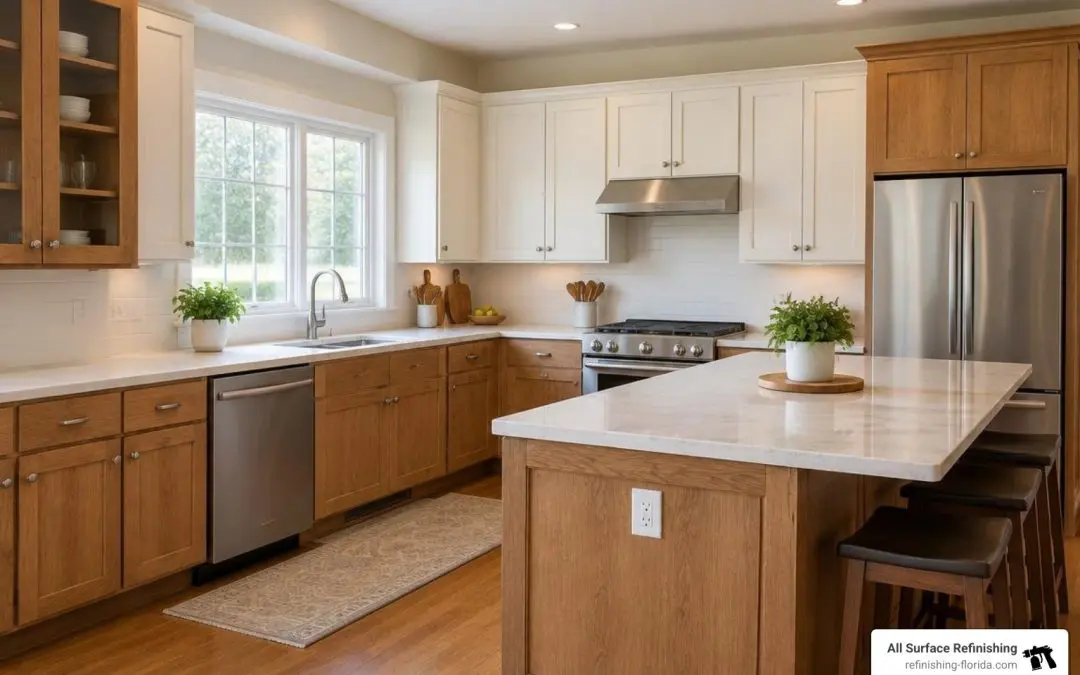
How to Buy Second Hand Kitchen Cabinets Without Costly Mistakes
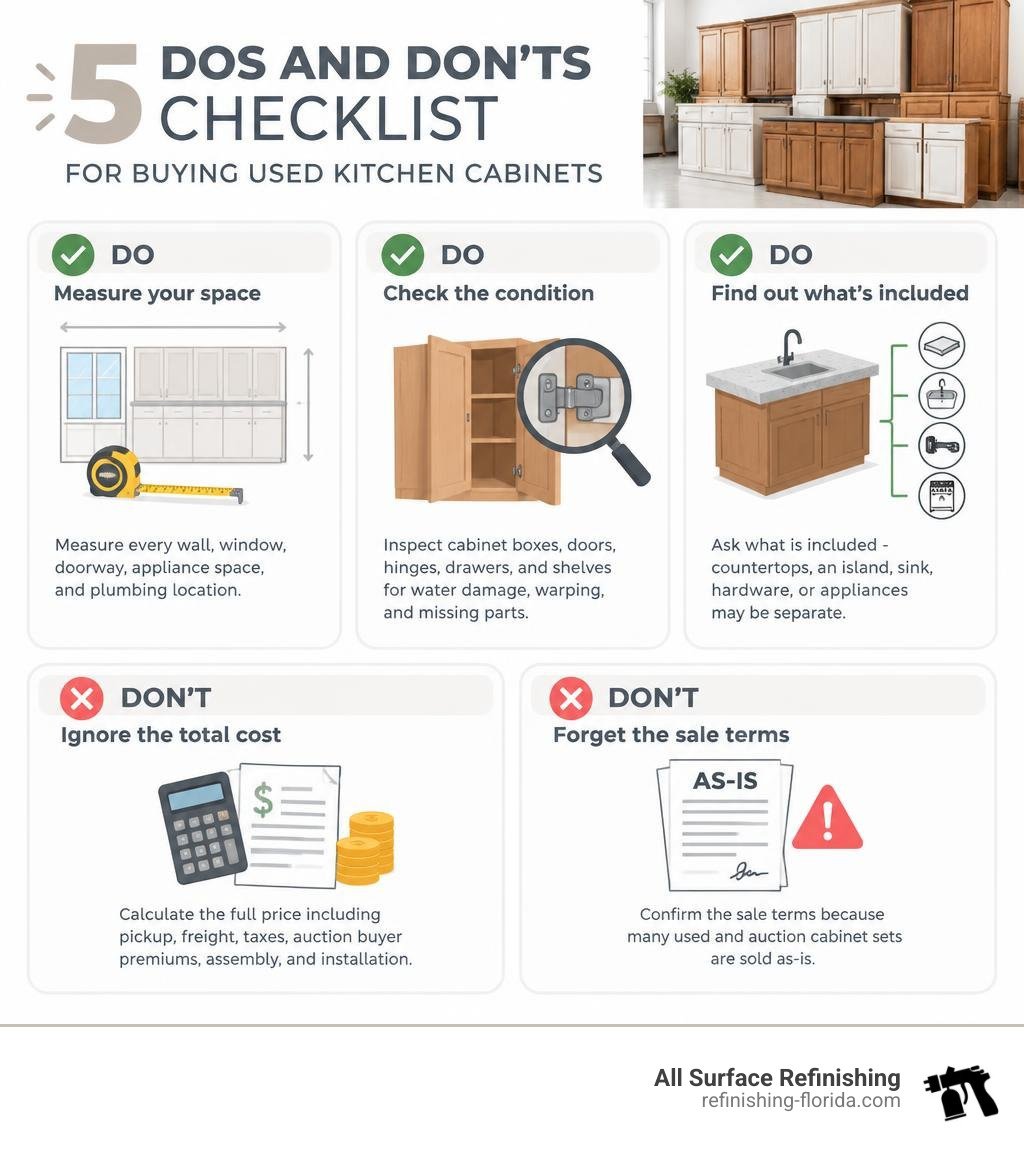
Second hand kitchen cabinets for sale can cut a kitchen update budget dramatically, but only if the set fits your room and is still structurally sound. Before you buy:
- Measure every wall, window, doorway, appliance space, and plumbing location.
- Inspect cabinet boxes, doors, hinges, drawers, and shelves for water damage, warping, and missing parts.
- Ask what is included – countertops, an island, sink, hardware, or appliances may be separate.
- Calculate the full price including pickup, freight, taxes, auction buyer premiums, assembly, and installation.
- Confirm the sale terms because many used and auction cabinet sets are sold as-is.
Used cabinets can come from salvage stores, donation centers, estate sales, private sellers, showroom displays, and auctions. They can be a smart way to get solid wood construction or higher-end features for less, while keeping usable materials out of the landfill.
I’m Frank Hernandez, President of All Surface Refinishing, and I have more than a decade of hands-on refinishing experience helping South Florida property owners improve worn kitchen and bathroom surfaces. When evaluating second hand kitchen cabinets for sale, I look at condition, repair potential, and whether the cabinets can be updated to suit the space.
Basic second hand kitchen cabinets for sale terms:
The 5 Essential Do’s When Finding Second Hand Kitchen Cabinets for Sale
Navigating the pre-owned market requires a clear purchasing strategy, realistic budget allocation, and a structured renovation timeline. When approached with proper planning, sourcing used cabinetry lets you acquire premium materials at a fraction of standard retail costs.
Do 1: Explore Diverse Sourcing Channels for Second Hand Kitchen Cabinets for Sale
Don’t limit your search to a single marketplace. High-quality pre-owned cabinetry appears across a broad spectrum of liquidation channels, each serving different budgets and project styles:
- Non-Profit Re-Use Stores: Outlets like Habitat for Humanity ReStore frequently receive entire sets from residential remodels. You can often find salvaged building material inventories ranging from modest 12-piece sets to massive 28-piece layouts.
- Architectural Salvage Warehouses: Specialists in architectural salvage recover vintage and modern solid wood cabinets from historic properties and luxury remodels before demolition.
- Online Liquidators and Estate Sales: Digital clearance platforms move inventory fast. In many liquidation channels, complete kitchens often sell within 48 hours of being listed because new sets arrive almost daily.
- Local Classifieds: Homeowners undergoing gut renovations frequently list intact cabinetry sets for immediate removal. If you are focused on finding affordable kitchen cabinets nearby, monitoring local neighborhood listings across South Florida can yield rapid, high-value finds.
Do 2: Calculate True Savings Versus Brand New Cabinetry
Understanding how much new kitchen cabinets cost allows you to evaluate whether a pre-owned package delivers genuine value. Factory-ordered semi-custom or custom cabinetry often runs from $15,000 to over $50,000 depending on materials, hardware, and layout size.
By comparison, second-hand suites routinely sell at 50% to 85% below original manufacturer suggested retail prices (MSRP). For instance, an 11-piece to 14-piece solid oak or maple set may list between $800 and $1,800 at salvage centers, translating to an average cost of $65 to $130 per box. Even architectural-grade luxury packages originally valued above $40,000 frequently clear at liquidation prices under $9,000. Conduct a per-cabinet cost breakdown to verify your bottom-line savings before committing funds.
Do 3: Factor in Delivery Logistics, Buyer Premiums, and Hidden Fees
The hammer price or listing price is rarely the final number on your invoice. Ensure your remodeling budget accounts for the administrative and transport expenses required to get the cabinetry into your home:
- Buyer’s Premiums: Online and commercial auction houses routinely add a 13% buyer’s premium to the winning bid, along with standard credit card processing surcharges.
- Checkout Taxes: Regional marketplace sales often include localized checkout fees or specific sales taxes (such as a 3.95% transaction tax) added during invoice settlement.
- Assembly and Pallet Charges: Boxed liquidation lots may require optional factory reassembly fees (commonly around $25 per cabinet) plus palletization charges ($10 or more per pallet).
- Transport Logistics: Moving 15 to 30 rigid cabinet boxes requires dedicated logistics. Whether hiring flatbed freight across Broward County or coordinating private truck rentals between Fort Lauderdale and West Palm Beach, factor in vehicle fuel, cargo straps, moving blankets, and physical labor.
Do 4: Leverage Sustainability Benefits to Reduce Landfill Waste
Choosing reclaimed cabinetry makes a substantial ecological contribution. Kitchen remodels generate millions of tons of construction and demolition debris annually. Reusing an existing set diverts up to 1,000 pounds of functional wood, metal, and composite materials from local landfills.
By keeping architectural-grade maple, cherry, or oak in circulation, you reduce demand for newly harvested timber and decrease the carbon emissions tied to heavy manufacturing and overseas freight. Integrating pre-owned elements creates a closed-loop, circular renovation model that preserves quality craftsmanship for decades.
Do 5: Upgrade Finishes with Professional Painting and Resurfacing
Second-hand cabinetry rarely comes in the exact color, sheen, or tone you envision for your home. Fortunately, structurally sound solid wood and high-density fiberboard (HDF) doors make outstanding candidates for professional finish updates.
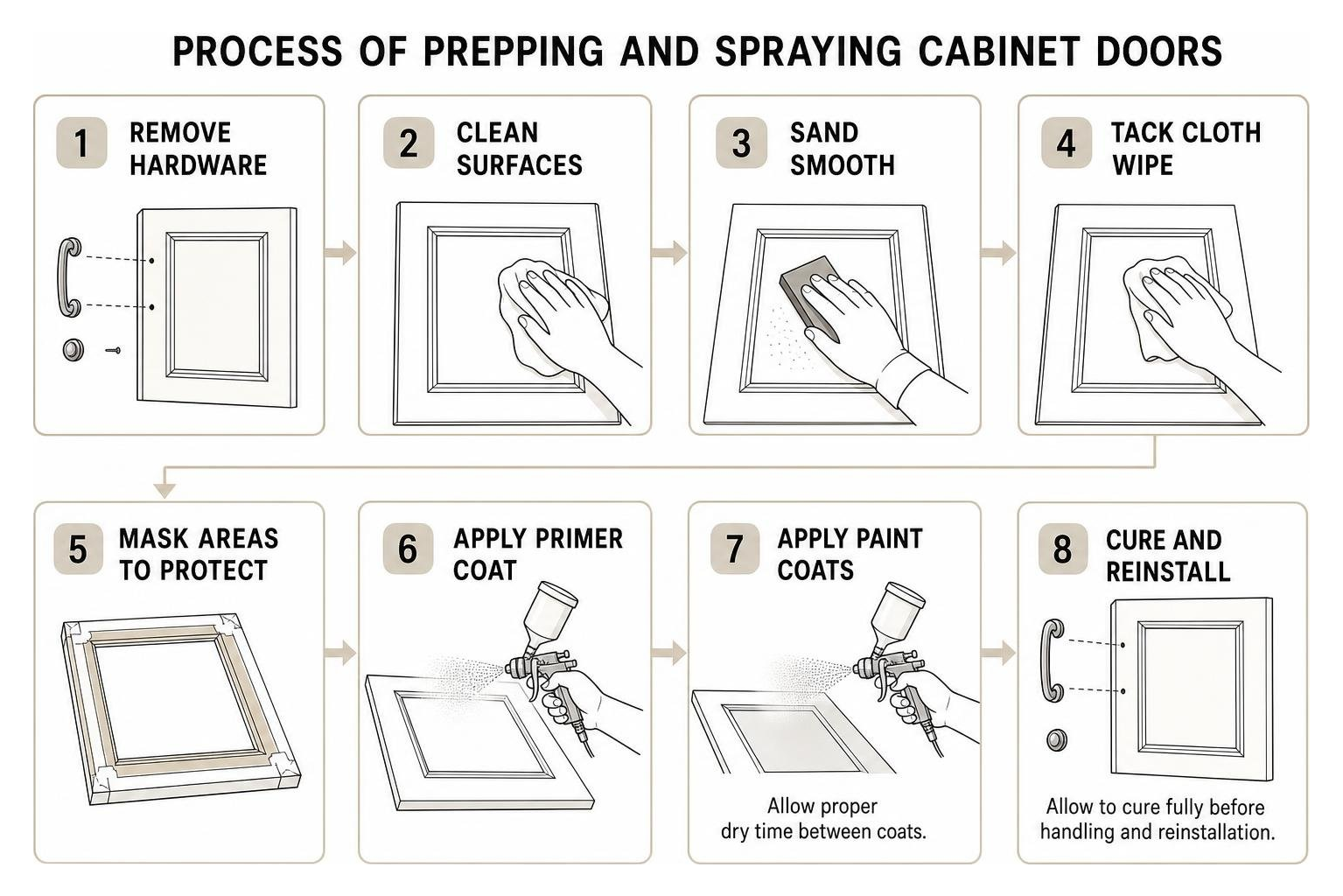
Understanding cabinet resurfacing basics allows you to transform outdated golden oak, dark cherry, or distressed glaze finishes into clean, modern architectural statements. Rather than settling for tired finishes, refinishing old kitchen cabinets with high-durability industrial coatings eliminates grain imperfections, covers surface blemishes, and provides a durable, factory-smooth texture. Combining a complete cabinet painting overhaul with contemporary matte black or brushed brass hardware bridges the gap between pre-owned savings and designer aesthetics.
The 5 Costly Don’ts to Avoid in the Pre-Owned Cabinet Market
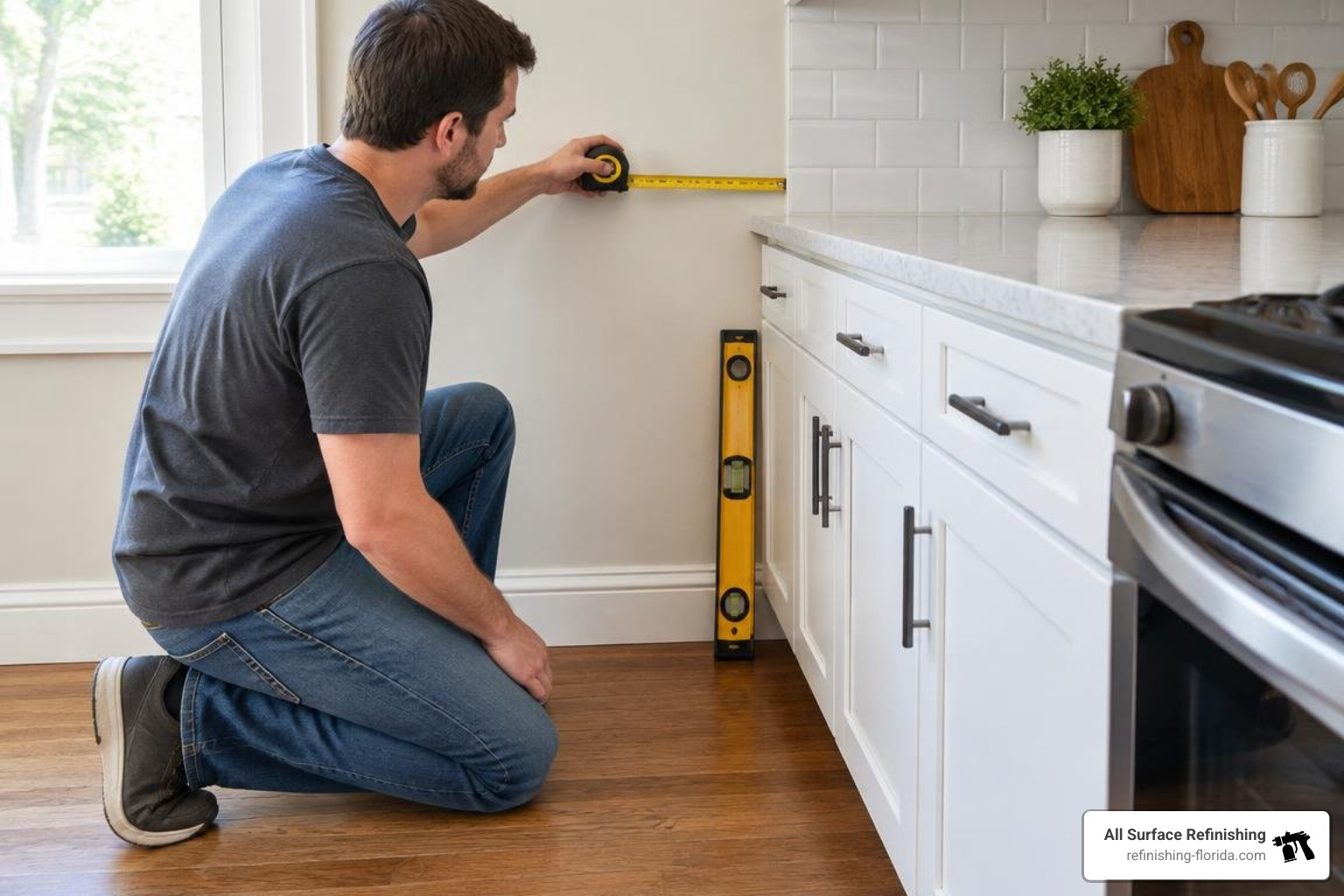
While the savings potential is massive, careless purchasing can lead to costly structural headaches. Avoid these five critical mistakes when evaluating used cabinetry packages.
Don’t 1: Skip Physical Inspections of Second Hand Kitchen Cabinets for Sale
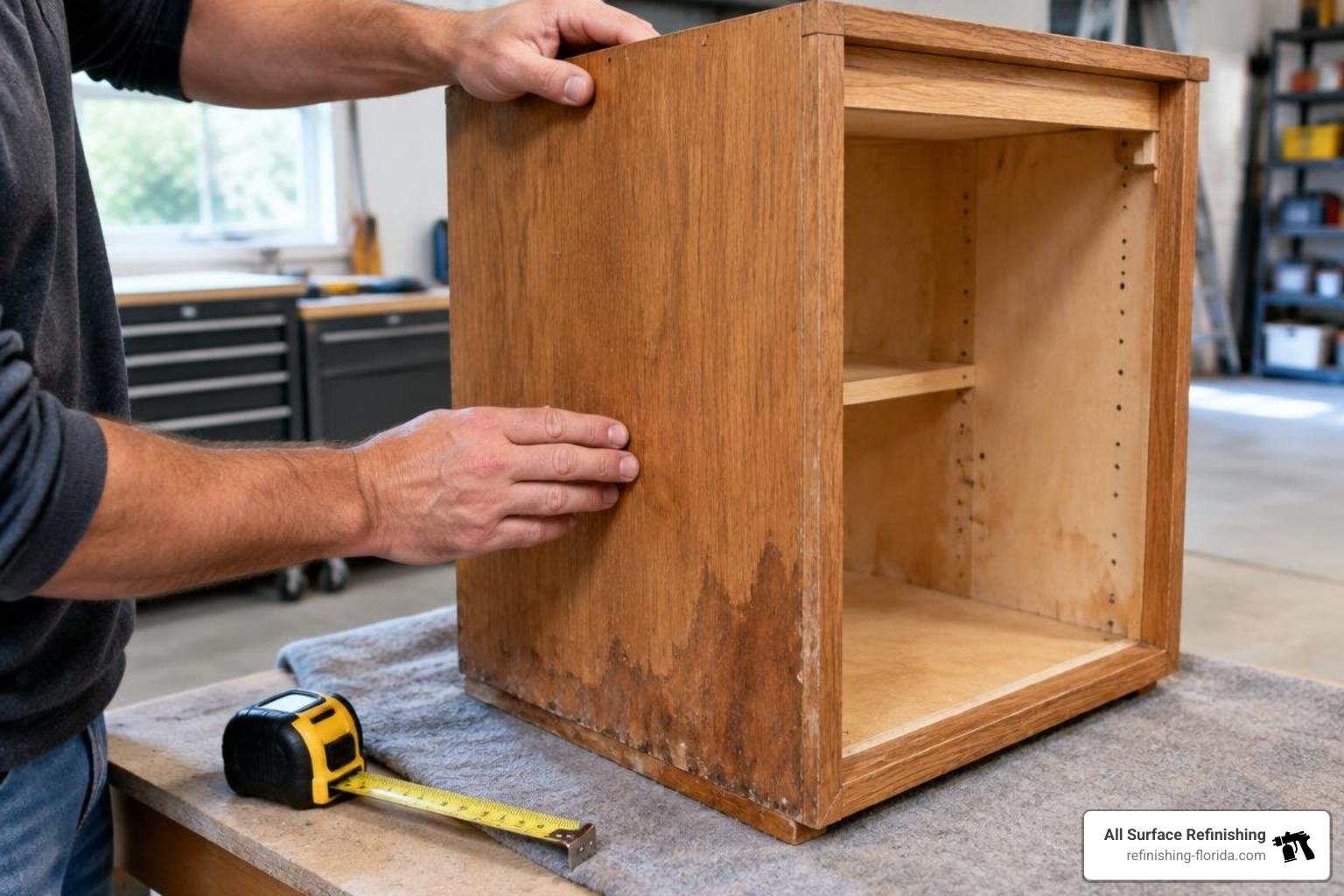
Never buy pre-owned cabinetry sight unseen without verifying structural integrity. Whether viewing inventory in a salvage showroom or during an auction preview window, perform a rigorous physical check:
- Check for Moisture Damage: Examine sink base bottoms, back panels, and toe kicks for swollen substrate, dark water staining, delamination, or active mold growth.
- Inspect the Box Joinery: Verify that face frames are securely anchored and that drawers feature intact dovetail joints rather than failing glued butt joints.
- Test the Moving Hardware: Open and close every door and drawer glide. Confirm that high-grade mechanisms—like integrated Blum soft-close hinges—operate smoothly without binding or sagging.
- Audit reclaimed cabinet sets for Frame Squareness: Use a framing square across face frames to ensure boxes have not racked or twisted during original removal.
Don’t 2: Overlook Layout Differences and Precise Box Dimensions
A cabinet set that looked magnificent in another home will not automatically fit your walls. Architectural clearances dictate exact spatial parameters:
- Plumbing and Mechanical Stacks: Confirm that drain lines, supply stops, and vent stacks line up with the designated sink base cutout.
- Ceiling Clearances and Soffits: Standard upper boxes come in 30-inch, 36-inch, and 42-inch heights. Ensure tall pantry units and upper wall cabinets clear your ceiling trim and crown molding.
- Corner and Appliance Clearances: Blind corner bases, lazy susans, and refrigerator end panels require strict clearances to prevent doors from colliding with appliances or door casings.
- Installation Preparation: Reviewing the core steps for installing kitchen cabinets properly ensures you purchase matching filler strips and scribe molding to compensate for out-of-plumb walls.
Don’t 3: Assume Complete Hardware, Sinks, and Countertop Packages
Listings often show entire kitchen displays, but the sale lot may exclude critical components. Always confirm whether decorative pulls, soft-close mounting plates, adjustable shelf pins, and fasteners are bagged and included.
Furthermore, used stone or laminate countertops rarely survive removal without cracking, and their sink and cooktop cutouts are fixed to the original footprint. Plan your budget under the assumption that you may need new countertops, plumbing fixtures, and specialized cabinet leveling hardware.
Don’t 4: Ignore Return Policies and Discrepancy Windows
Second-hand, liquidation, and auction cabinetry is almost universally sold in “as-is, where-is” condition with no transferred manufacturer warranties.
Always review the platform’s discrepancy terms. Some structured liquidation auctions enforce a strict 14-day discrepancy window from the auction close date, requiring you to verify the physical inventory against the official build sheet immediately. Once that timeline closes, claims for broken face frames, missing shelves, or incorrect box counts are permanently denied.
Don’t 5: Underestimate the Total Cost of Completing Used Cabinets
A cabinet package priced at $1,500 can quickly escalate if you fail to account for finishing, reconfiguration, and installation labor. Comparing these numbers against inexpensive kitchen cabinet alternatives helps keep your project grounded.
If modifying the reclaimed boxes requires extensive carpentry, custom end panels, and structural wall framing adjustments, the final cost can approach standard retail pricing. Calculate your total scope—acquisition, freight, minor modifications, resurfacing, and mounting—before submitting your final bid.
Comparing Used Cabinets, Showroom Displays, and Auction Liquidations
Pre-owned cabinetry falls into three primary categories: gently used residential sets, ex-display showroom models, and boxed auction liquidations. The comparison table below highlights their operational differences, typical costs, and build characteristics.
| Sourcing Category | Price Range | Typical Condition | Key Advantages | Things to Watch Out For |
|---|---|---|---|---|
| Residential Used Sets | $800 – $3,500 | Good to fair; normal surface wear | Immediate availability; lowest upfront acquisition cost | Modified cutouts; potential water damage on sink bases |
| Ex-Display Showroom Suites | $3,000 – $15,000+ | Excellent; minor showroom handling marks | Premium European hardware; architectural finishes; Blum soft-close | Fixed architectural layouts; unique designer dimensions |
| Auction / Liquidation Lots | $1,500 – $4,500 | New in box or unboxed demo units | Rigid MFC or solid wood frames; standardized 10’x10′ to 12’x12′ footprints | 13% buyer premiums; strict self-pickup deadlines; assembly fees |
Whether you are renovating a condo in Miami or upgrading a family home in Boca Raton, matching your timeline to the right source is critical. While custom cabinet orders frequently carry 6- to 9-month manufacturer lead times, pre-owned and liquidation packages can be secured, delivered, and reconfigured in a matter of days.
Frequently Asked Questions About Used Kitchen Cabinets
How much money can you save by buying used kitchen cabinets?
Homeowners routinely save between 50% and 85% compared to purchasing new custom or semi-custom cabinetry. Complete, solid-wood residential sets at architectural salvage yards and donation stores typically range from $800 to $3,500. Even high-end designer showroom displays with premium drawer slides and luxury finishes offer deep discounts off original retail MSRPs.
Can you modify or repaint used cabinets to fit your layout?
Yes. Modular cabinetry can be reordered, split, or augmented with custom filler panels and crown molding to match your room’s exact footprint. If the original wood stain or color scheme feels dated, professional resurfacing and spray painting provide a durable, modern finish without replacing the underlying solid wood boxes.
What hidden fees should you expect when buying cabinets at auction?
Auction purchases often include a buyer’s premium (typically 13% added to the hammer price), payment processing fees (around 3%), regional sales tax, and pallet or strapping charges ($10+ per pallet). If you purchase flat-packed liquidation cabinets, optional pre-assembly services generally run about $25 per box.
Conclusion
Finding high-quality pre-owned cabinetry is one of the smartest ways to achieve a high-end kitchen remodel on a practical budget. By conducting careful pre-purchase measurements, inspecting structural box joints, accounting for logistical fees, and steering clear of strict as-is pitfalls, you can secure durable, solid wood construction that stands the test of time.
Once you have secured and installed your pre-owned cabinetry set, bringing the entire kitchen together comes down to professional finish work. At All Surface Refinishing, we bring over 30 years of hands-on expertise and 14,000+ completed projects to South and Southwest Florida homes. We help homeowners across Palm Beach, Broward, and Miami-Dade counties restore, paint, and modernize pre-owned cabinetry boxes and doors with factory-smooth, long-lasting industrial coatings. Explore how our team can transform your space by visiting our professional cabinet refinishing and resurfacing services today.
