Why Bathroom Safety Starts with Your Shower and Bathtub Floor
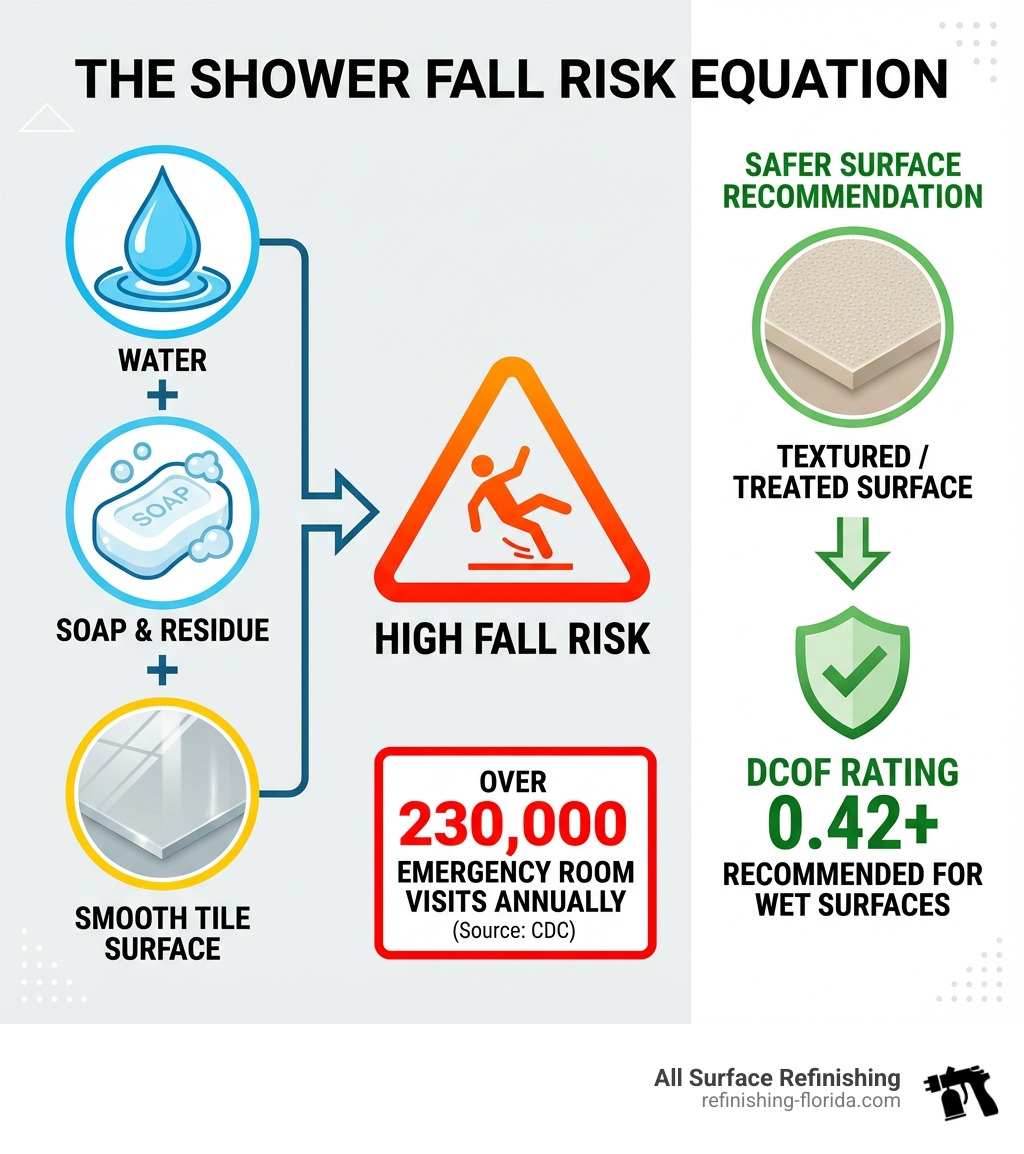
How to make shower non-slip is a critical safety concern for every homeowner. According to a report from the CDC, over 230,000 people visit emergency rooms each year with bathroom-related injuries, with most occurring in or near the tub or shower.
Quick Answer: 6 Ways to Make Your Shower or Bathtub Non-Slip
- Apply professional anti-slip coatings – Chemical treatments that create a textured, slip-resistant surface.
- Install rubber or vinyl bath mats – A temporary solution with suction cups for immediate traction.
- Add adhesive anti-slip strips or treads – Stick-on solutions that last longer than mats.
- Use etching treatments – Creates microscopic texture on unsealed tile and certain tub surfaces.
- Install grab bars and shower seats – Essential safety features that provide stability.
- Replace with high-traction tiles – A permanent solution using tiles with a DCOF rating of 0.42 or higher.
The problem is simple: smooth tile, fiberglass, and acrylic surfaces become dangerously slippery when wet. This creates a high-risk environment, especially for older adults, children, and anyone with mobility challenges. Falls in the bathroom aren’t just inconvenient—they can be life-changing. The good news is you don’t need to replace your entire shower or tub to make it safer.
I’m Frank Hernandez, President of All Surface Refinishing. Since 2011, I’ve helped South Florida homeowners make slippery bathtubs, showers, and tile floors safe. With over a decade of experience, I’ve seen how effective how to make shower non-slip solutions protect families across Miami-Dade, Broward, and Palm Beach counties.
In this guide, I’ll walk you through proven methods to make your shower, bathtub, or bathroom tile floor non-slip—from quick DIY fixes to permanent professional solutions like our Anti-Slip Treatments and tile anti-slip coating.
Why Your Shower, Bathtub, or Tile Floor is a Slipping Hazard
Bathrooms are one of the most hazardous rooms in the house. The combination of water, soap, and smooth surfaces creates a perfect storm for slips and falls.
What Makes Shower, Bathtub, and Tile Floors Slippery?
Several factors contribute to slick conditions:
- Smooth Surfaces: Materials like ceramic tile, porcelain, fiberglass, or acrylic are durable and easy to clean, but their smoothness offers little friction when wet.
- Water: A thin film of water can create a hydroplaning effect, making a normally safe surface dangerous.
- Soap and Conditioner Residue: Soap scum and hair conditioner leave a slick, greasy film on surfaces. Conditioner is particularly notorious for making floors extremely slippery.
- Hard Water Buildup: In South Florida, hard water leaves mineral deposits that can make surfaces less grippy over time.
- Lack of Texture: Many older tubs and shower pans lack any built-in anti-slip properties.
Why Are Slippery Surfaces Dangerous?
A slippery shower or tub floor can cause injuries ranging from minor bruises to severe fractures and head trauma. Falls are a leading cause of injury among older adults, with a significant portion occurring in the bathroom. Beyond physical harm, a fall can create a fear of falling, which reduces independence and quality of life.
Who is Most at Risk?
While anyone can slip, certain groups are at higher risk:
- Elderly: Declining balance, vision, and strength make falls more likely and their consequences more severe.
- Children: Their high energy and developing coordination make them susceptible to falls.
- People with Mobility Issues: Anyone recovering from surgery, with chronic conditions, or using assistive devices needs a secure footing.
At All Surface Refinishing, we provide effective solutions across our service areas, from Miami-Dade to Palm Beach counties, so everyone can use their shower or tub confidently. For more tips, see our guide on 8 Ways to Prevent Falls in the Shower, Bathtub, or Bathroom.
Fast, Professional Solutions for Non-Slip Showers, Bathtubs, and Tile Floors
For those wondering how to make shower non-slip without a full renovation, several fast and professional solutions exist. Our team at All Surface Refinishing specializes in these applications for homes across Florida.
Professional Non-Slip Coatings and Treatments
One of the most popular and effective solutions is a professional non-slip coating. These are durable improvements that provide lasting safety.
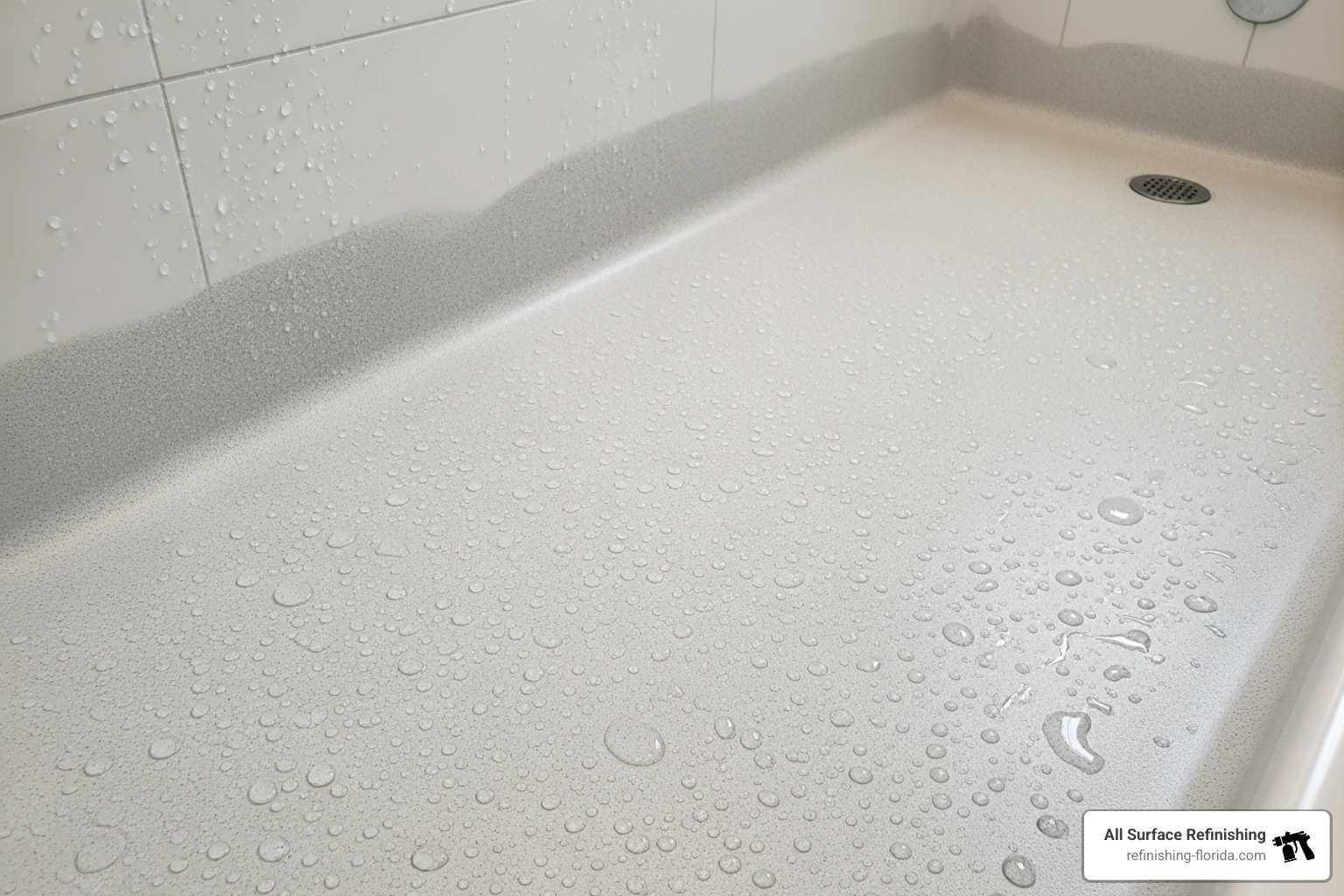
- How they work: These liquid treatments chemically bond to your tile, fiberglass, or acrylic surface, creating a micro-textured layer. This invisible finish significantly improves traction without changing the look of your bathroom.
- Pros: They are highly effective, durable, versatile for many materials, and cost-effective compared to replacement. Application is fast, with the surface ready for use in hours.
- Cons: Professional application is recommended for a uniform, long-lasting finish. There is a required drying time of a few hours.
- Maintenance: Clean with gentle, non-abrasive cleaners to prevent soap scum buildup and protect the coating.
Our team provides top-tier Tile and Bathtub Anti-Slip Coating Services and comprehensive Anti-Slip Treatments in Florida.
Etching Treatments for Tile and Bathtub Surfaces
Etching is another specialized approach, particularly effective for certain surfaces.
- How it works: A chemical solution creates microscopic pores on the surface of unsealed tile or certain bathtubs. This subtle roughening increases friction when wet.
- Pros: It provides a noticeable improvement in grip and is a permanent alteration to the surface.
- Cons: The roughened surface can hold dirt more readily, requiring diligent cleaning. It’s not suitable for all materials, and DIY applications can be challenging and may yield uneven results.
- Maintenance: Regular cleaning is essential to prevent soap scum from filling in the texture and reducing its effectiveness.
If you’re considering this method, our experts can guide you on How to make shower and bathtub tile less slippery.
Permanent Upgrades for Ultimate Shower, Bathtub, and Tile Safety
For a long-term, integrated approach to how to make shower non-slip, permanent upgrades offer the best peace of mind. While they involve a more significant investment, they deliver superior durability and effectiveness.
Installing High-Traction Shower and Bathtub Tiles
When renovating, choosing the right tile is paramount for safety.
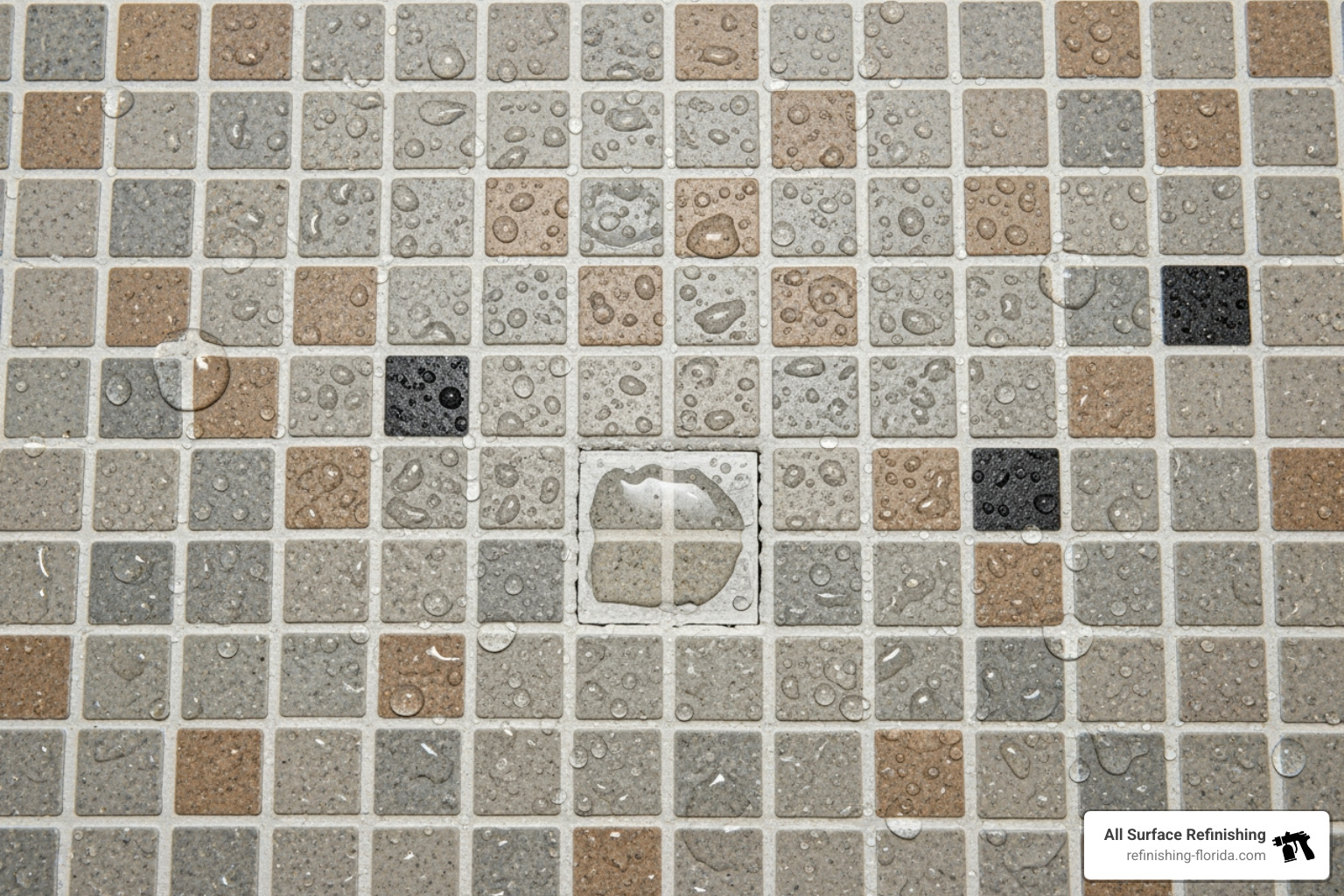
- Look for the DCOF Rating: The Dynamic Coefficient of Friction (DCOF) measures slip resistance on wet surfaces. For a shower floor, choose a tile with a DCOF of 0.42 or higher.
- Choose Small or Textured Tiles: Small mosaic tiles are excellent for slip resistance because the numerous grout lines provide extra grip. If you prefer larger tiles, select ones with a pronounced textured or matte finish.
- Pros: This is a permanent solution that integrates aesthetically into your bathroom design.
- Cons: It requires demolition and new installation, making it a more expensive and time-consuming option. Grout lines also need regular cleaning.
For advice on tile upgrades, explore our tile services for bathrooms and showers.
Installing Supporting Safety Features
Beyond the floor, supplementary safety features are crucial for a truly safe environment, especially for older adults and those with mobility challenges.
- Grab Bars: These are essential for stability. They must be securely screwed into wall studs for safety—suction cup models can fail unexpectedly. Modern grab bars come in many stylish finishes.
- Shower Seats: A shower seat or bench provides a safe place to sit, reducing the risk of falls from fatigue or instability. They are available as freestanding, wall-mounted, or built-in units.
- Hand-Held Shower Nozzles: These complement a shower seat, allowing a user to direct water flow easily without risky movements.
Combining a non-slip floor with these features creates the most secure bathroom possible.
Maintaining Your Non-Slip Shower, Bathtub, or Tile Floor
Maintaining your anti-slip surface is crucial for long-term safety. Whether you have a professional coating, etched tile, or high-traction tile, proper care is essential.
- Clean Gently: Use non-abrasive cleaners and a soft-bristle brush to avoid damaging the surface. Harsh chemicals or scouring pads can reduce effectiveness.
- Prevent Soap Scum Buildup: Soap scum and conditioner are the main culprits that make a textured surface slippery again. Rinse the floor after each use and clean it regularly. Consider using liquid body wash, which rinses cleaner than bar soap.
- Follow Product Guidelines: If you have a coating, know its reapplication schedule. For etched surfaces, a degreasing cleaner can restore grip if soap scum builds up.
- Inspect for Wear: Periodically check your non-slip surface for wear, especially temporary solutions like adhesive strips. Our professional coatings are highly durable, but we’re here to help if you have any concerns.
Following these tips will keep your non-slip shower, tub, or tile floor safe for everyone in your home.
Frequently Asked Questions about Shower, Bathtub, and Tile Floor Safety
Here are answers to common questions about how to make shower non-slip.
What is the most effective way to make a shower, bathtub, or tile floor non-slip?
The best method depends on your surface, budget, and desired permanence.
- Most Permanent: Installing high-traction tiles offers the best long-term effectiveness and aesthetics.
- Fast & Professional: For existing surfaces, professional anti-slip coatings or etching treatments are highly effective.
- Quick & Temporary: Adhesive strips or rubber bath mats provide immediate but less durable solutions.
Our team can help you choose the right option for your home in South Florida.
How do I clean a textured anti-slip shower, bathtub, or tile floor?
Gentle cleaning is key to maintaining the surface.
- Use mild, non-abrasive cleaners and a soft-bristle brush.
- Regularly clean to remove soap scum and conditioner residue, which can make the surface slippery again.
- Rinse the floor after each use and consider using liquid body wash instead of bar soap to minimize residue.
What does the DCOF rating on tiles mean for bathroom safety?
DCOF stands for Dynamic Coefficient of Friction. It’s the industry standard for measuring a tile’s slip resistance on a wet surface.
- What to Look For: For a shower or bathroom floor, choose a tile with a DCOF of 0.42 or higher. A rating of 0.6 or above is even safer, especially for households with children or older adults.
- Why it Matters: The DCOF rating is a critical safety factor when selecting new tile, ensuring it’s designed for wet conditions.
Understanding DCOF helps you make an informed choice for a safer bathroom.
Conclusion: Step Confidently into a Safer Shower, Bathtub, or Bathroom Tile Floor
Making your shower non-slip is essential for the safety of everyone in your household. We’ve covered solutions ranging from temporary fixes to permanent upgrades like professional coatings and high-traction tiles.
Bathrooms are high-risk areas for falls, but preventing these accidents is achievable. At All Surface Refinishing, we believe safety should never compromise style. With over 30 years of combined experience and 14,000+ successful projects across South Florida, we are your trusted experts in changing slippery showers, bathtubs, and tile floors into secure, beautiful spaces. Our professional non-slip surfaces are durable, easy to clean, and provide long-term peace of mind.
Don’t wait for an accident to happen. Take the proactive step towards a safer bathroom today.
Ready to make your bathroom safer? Get a permanent non-slip solution for your bathtub, shower, or bathroom tile from All Surface Refinishing. We proudly serve homeowners and commercial clients throughout Aventura, Boca Raton, Fort Lauderdale, Miami, West Palm Beach, and surrounding Florida locations.
